Britain's Evolving Transaction Networks Powering Layered Reward Access in Portable Progressive Reel Formats
Katja Schmidt · Jun 5, 2026
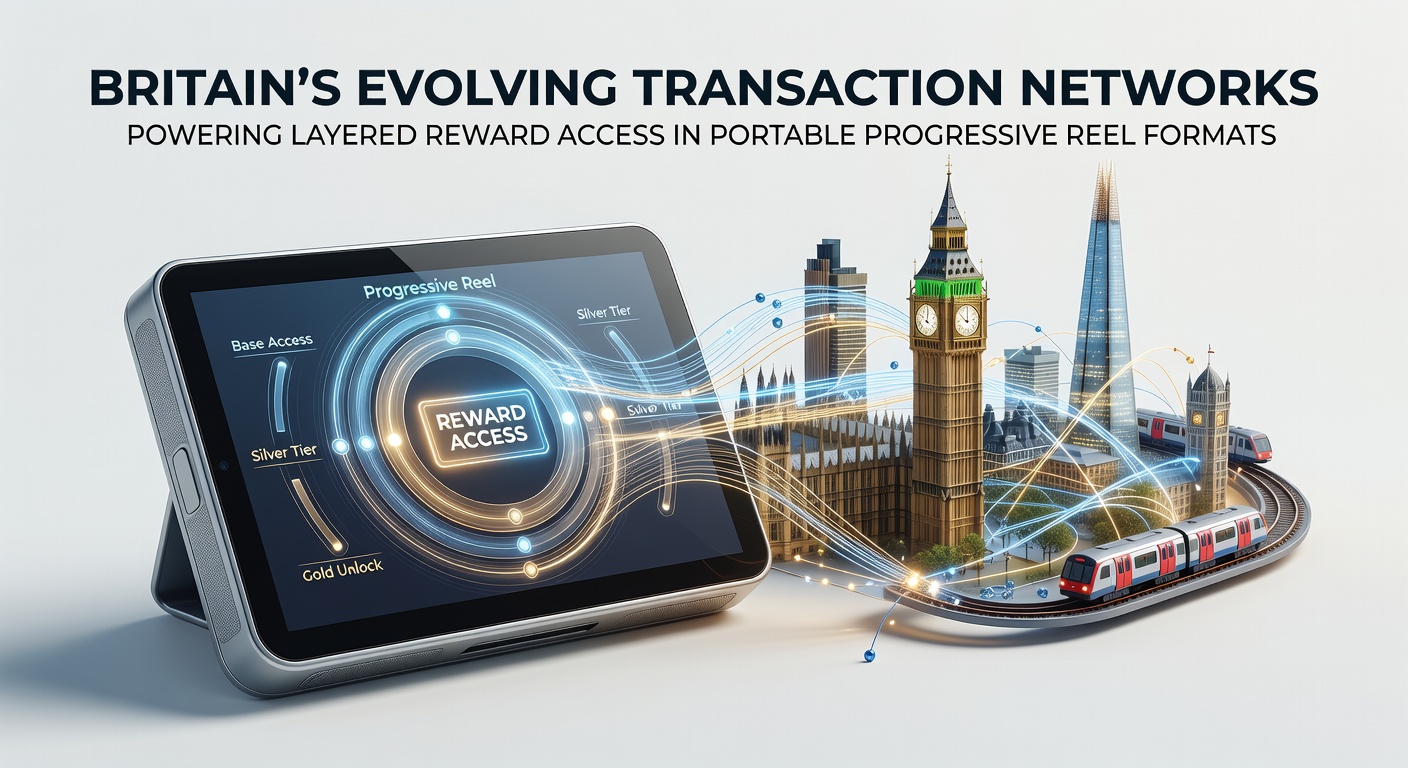
Britain's Evolving Transaction Networks Powering Layered Reward Access in Portable Progressive Reel Formats
Britain's payment infrastructure has undergone steady integration with mobile gaming platforms since the mid-2010s, and this development now supports layered reward mechanisms within portable progressive reel formats. Transaction networks facilitate access to tiered bonuses by linking user activity across devices while maintaining compliance with regional standards. Data from the European Gaming and Betting Association shows that real-time settlement systems reduced processing times for reward redemptions by 45 percent between 2023 and 2025. Payment rails such as open banking protocols and instant transfer services enable operators to deliver progressive jackpot contributions directly from verified accounts. These networks track cumulative stakes across sessions and unlock successive reward layers without requiring separate deposits for each tier. Observers note that such connectivity allows players to maintain progress on jackpots when switching between smartphones and tablets, a feature that gained wider adoption after software updates rolled out in late 2025.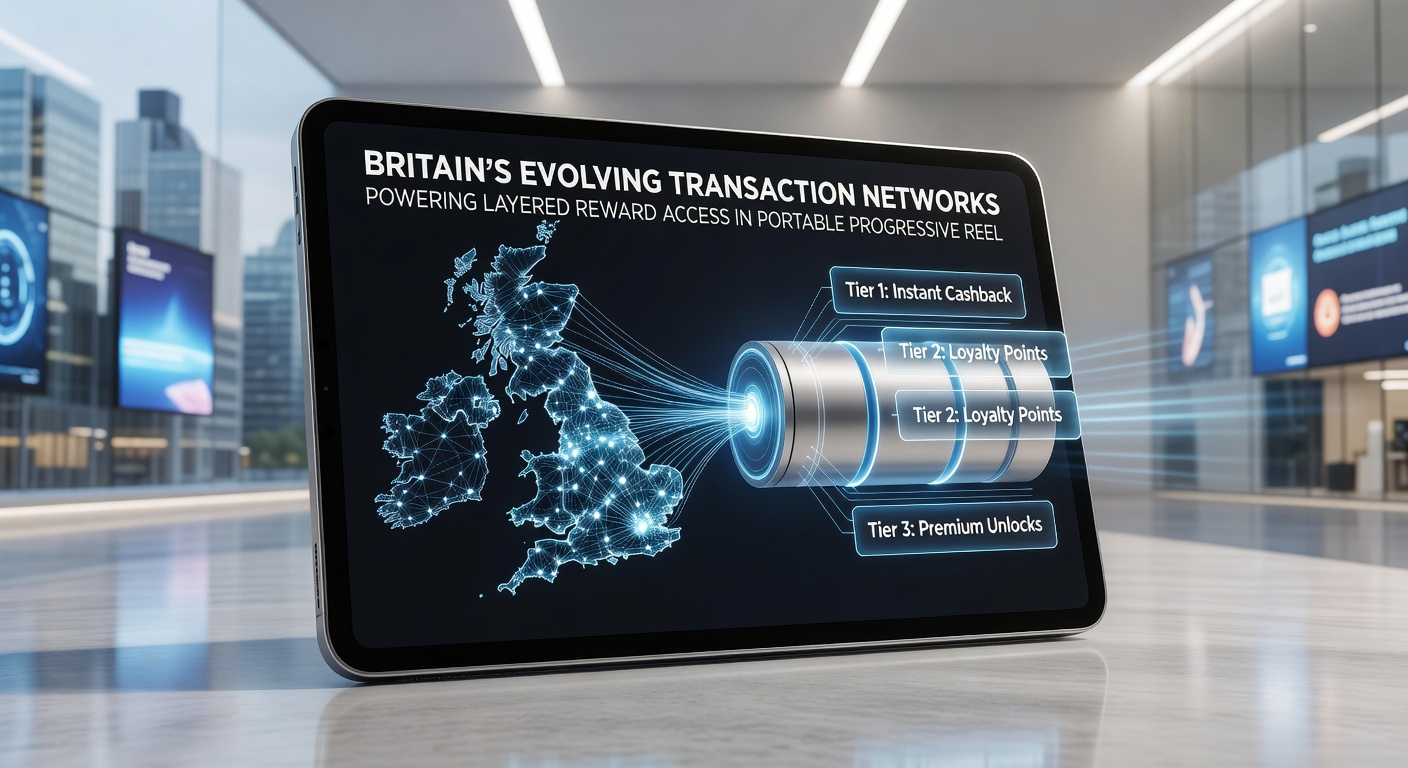
Britain's payment infrastructure has undergone steady integration with mobile gaming platforms since the mid-2010s, and this development now supports layered reward mechanisms within portable progressive reel formats. Transaction networks facilitate access to tiered bonuses by linking user activity across devices while maintaining compliance with regional standards. Data from the European Gaming and Betting Association shows that real-time settlement systems reduced processing times for reward redemptions by 45 percent between 2023 and 2025. Payment rails such as open banking protocols and instant transfer services enable operators to deliver progressive jackpot contributions directly from verified accounts. These networks track cumulative stakes across sessions and unlock successive reward layers without requiring separate deposits for each tier. Observers note that such connectivity allows players to maintain progress on jackpots when switching between smartphones and tablets, a feature that gained wider adoption after software updates rolled out in late 2025.Network Architecture Supporting Reward Layers
Modern transaction frameworks in Britain combine traditional card processing with API-driven banking links, creating pathways for dynamic reward allocation. When a user completes a qualifying spin sequence, the system records the contribution to a central progressive pool while simultaneously crediting an immediate bonus layer to the player's balance. This dual recording occurs through synchronized ledgers that update within seconds, according to reports from the Malta Gaming Authority. Portable formats benefit because session data travels with the account rather than remaining tied to a single device. Researchers at the University of Nevada's International Gaming Institute documented similar patterns in cross-border mobile environments, where seamless handoffs between networks preserved jackpot eligibility. In Britain the same principle applies through standardized encryption that secures both financial transfers and reward status flags.Integration with Progressive Mechanics
Layered rewards often appear as escalating multipliers or additional free-spin packages once a player reaches defined transaction thresholds. Networks verify these thresholds by querying historical payment records stored in encrypted cloud repositories. The process avoids manual intervention because automated scripts cross-reference stake totals against reward criteria in real time. One study released by the Asia Pacific Association of Gaming Regulators examined comparable systems in Australia and found that transaction-linked tiers increased average session length by 22 percent. British platforms adopted parallel structures, though they adapted the model to local banking hours and currency handling. June 2026 marks the scheduled expansion of certain open-banking mandates that will further standardize these verification steps across additional providers.