Cashless Frontiers: How UK Mobile Payment Pairs Reshape Free Spin Sequences in Progressive Jackpot Live Games
Klara Walter · Jul 8, 2026
Cashless Frontiers: How UK Mobile Payment Pairs Reshape Free Spin Sequences in Progressive Jackpot Live Games
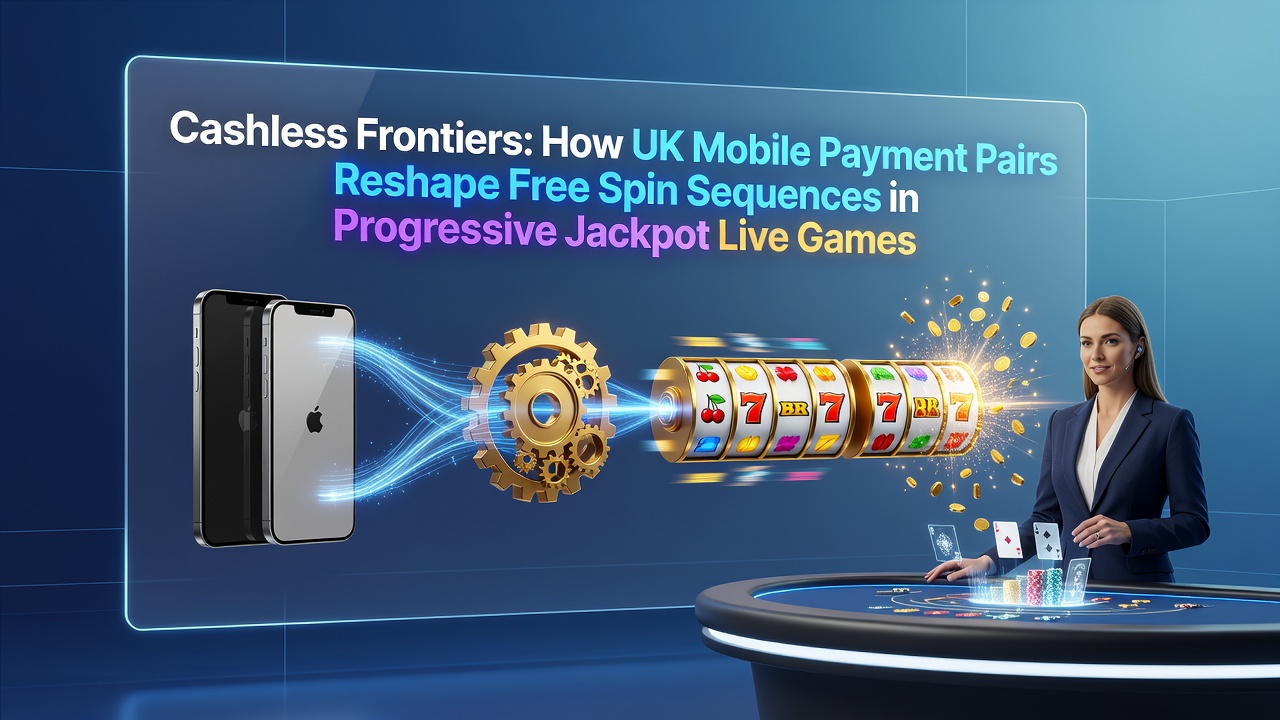
UK mobile payment systems continue to integrate with live casino platforms, and this integration alters how free spin sequences trigger within progressive jackpot environments. Payment pairs such as digital wallets and contactless options connect directly to game servers, which allows seamless balance updates during live dealer sessions. Observers note that these connections reduce delays between spin initiations and feature activations, particularly in games where progressive pools accumulate across multiple jurisdictions.
Data from industry reports shows that transaction speeds have shortened average processing times for bonus credits by several seconds, and this efficiency influences sequence timing in titles that combine live elements with random progressive triggers. Players using paired mobile methods often receive instant notifications when free spins unlock, and the same systems handle the subsequent stake allocations without additional verification steps.
Mobile Payment Integration Patterns
Payment providers have developed application programming interfaces that slot platforms adopt to link user accounts with game logic, and these links enable free spin sequences to activate immediately after a qualifying deposit registers. In progressive jackpot live games the pooled amounts update in real time, which means a spin sequence funded through a mobile pair can contribute to and potentially claim from the growing total without interruption. Research conducted by the Australian Gambling Research Centre indicates that similar payment synchronisation in other markets correlates with higher feature engagement rates during live broadcasts.
July 2026 marks a period when several UK operators plan expanded testing of near-field communication pairings, and early figures reveal that these tests focus on reducing friction in sequence entry points. The pairings allow operators to embed spend limits directly into the payment flow, which aligns with broader regulatory frameworks that govern live game operations across connected devices.
Effects on Free Spin Mechanics
Free spin sequences in progressive environments rely on random number generators that determine trigger points, and mobile payment pairs supply the funding layer that keeps those generators supplied with active credits. When a player completes a transaction through an approved pair the game server registers the updated balance within milliseconds, and this registration permits the next spin cycle to begin without manual intervention. Studies from the University of Nevada Gaming Research Center have documented how reduced latency in funding steps correlates with extended play sessions in live progressive formats.
Operators report that certain payment pairings now include embedded triggers for bonus rounds, and these triggers activate free spins once predefined spend thresholds are met during a live session. The result appears in sequence design where consecutive free spins can chain across multiple jackpot levels, and each level draws from the same progressive pool updated through continuous cashless contributions.
Live Game Environment Adjustments
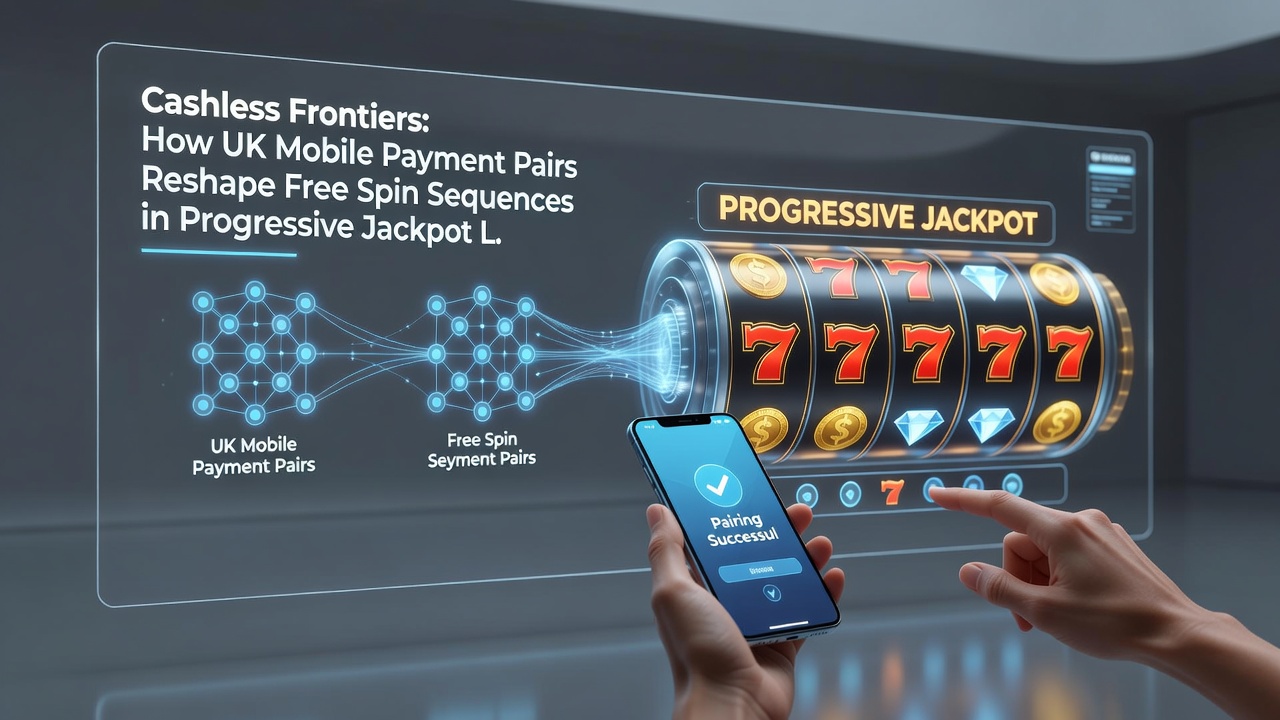
Live dealer studios have adjusted their broadcast systems to accommodate the visual feedback from mobile payment confirmations, and this adjustment includes on-screen indicators that display sequence status alongside the current jackpot total. Viewers watching from mobile devices receive simultaneous updates when a payment pair processes a transaction that qualifies for additional spins. The integration maintains the pace of live rounds while ensuring that progressive contributions register accurately across all connected players.
Industry associations such as the European Gaming and Betting Association have published guidelines that encourage standardised communication protocols between payment services and game providers, and these protocols help maintain consistency in how free spin sequences interact with jackpot engines. Data collected from multiple platforms shows that sequences funded through mobile pairs tend to complete their cycles with fewer interruptions than those relying on traditional bank transfers.
Progressive Jackpot Contribution Dynamics
Each spin within a free sequence contributes a percentage to the progressive meter, and mobile payment pairs facilitate this contribution by authorising the underlying stake in advance. When sequences extend across several rounds the cumulative effect on the jackpot pool becomes measurable, and operators track these contributions through aggregated transaction logs. A report issued by the Canadian Centre for Gaming Research highlights similar patterns in markets where cashless options dominate live play environments.
Payment pairings also support the distribution of winnings directly back to the originating mobile wallet once a jackpot hits during a free spin sequence, and this direct route eliminates intermediate account transfers. The process maintains compliance with verification requirements while shortening the interval between win confirmation and fund availability.
Future Developments in Payment and Game Pairing
Technology providers continue to refine authentication layers that sit between mobile wallets and live game servers, and these refinements aim to preserve sequence integrity even during periods of high network traffic. July 2026 has been identified in several forward-looking analyses as a benchmark period for broader adoption of biometric confirmation methods within these pairings. Such methods would allow free spin activations to proceed based on verified user presence rather than repeated manual inputs.
Observers tracking platform metrics note that the combination of mobile payments and live progressive formats produces distinct usage patterns compared with standalone slot experiences. The patterns include higher frequencies of sequence restarts immediately following a completed round, and these restarts often occur because the payment pair remains active throughout the session.
Conclusion
UK mobile payment pairs have established direct connections to the operational core of free spin sequences in progressive jackpot live games, and these connections affect timing, contribution rates, and payout flows. Data gathered from regulatory bodies in multiple regions demonstrates consistent trends toward faster processing and integrated feature triggers. As testing expands through 2026 the technical frameworks supporting these pairings will likely continue to evolve in response to both operator requirements and player behaviour patterns observed across live environments.