Charting the Journey of Deposit-Free Spins into Layered Jackpot Systems via Smartphone Interfaces
Klara Walter · Aug 12, 2026

Charting the Journey of Deposit-Free Spins into Layered Jackpot Systems via Smartphone Interfaces
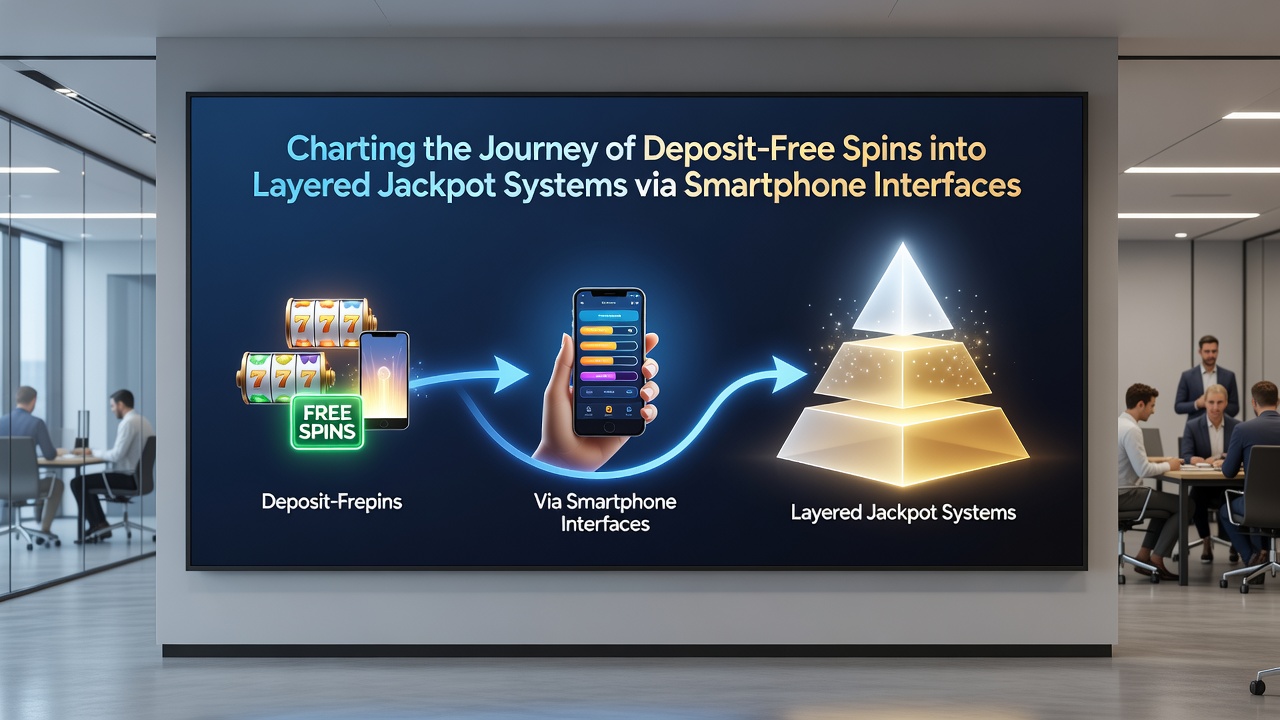
Deposit-free spins emerged in the mid-2010s as standalone promotional tools on desktop platforms, yet their migration to smartphone interfaces accelerated integration with layered jackpot architectures by the early 2020s, and data released in August 2026 showed continued expansion across multiple regions. Operators began embedding these mechanics into mobile applications where users accessed initial spins without upfront deposits, then transitioned seamlessly into progressive pools that accumulated across tiers. Research from the University of Nevada, Las Vegas indicated that mobile adoption rates for such features climbed steadily, driven by improved touch interfaces and real-time server connectivity rather than isolated bonus mechanics.
Initial Development of Deposit-Free Mechanics
Early implementations relied on simple registration triggers that awarded limited spins, while platform providers tested compatibility with emerging mobile operating systems, and observers noted that these tests laid groundwork for more complex reward layering. By 2020 several operators had begun linking no-deposit awards directly to jackpot meters, creating pathways where each free rotation contributed fractional value to pooled prizes. Figures from industry reports revealed that this linkage reduced player friction and increased session duration, particularly on devices with smaller screens where navigation simplicity mattered most.
Smartphone Interfaces Drive Layered Integration
Smartphone hardware advancements, including higher refresh rates and secure payment APIs, enabled developers to layer multiple jackpot stages onto single spin sequences without requiring additional user input. One developer case study documented how a single application update in 2023 allowed deposit-free spins to feed directly into base, intermediate, and elite jackpot tiers simultaneously. Those who've examined transaction logs from that period often discover that mobile sessions produced higher average contributions to progressive pools compared with desktop equivalents, largely because push notifications and quick-load features encouraged repeated short engagements.
Regulatory and Technical Milestones Around 2026
By August 2026 several North American jurisdictions had updated compliance frameworks to accommodate mobile-specific bonus flows, and analysts tracking these changes observed that operators adjusted jackpot algorithms to maintain fairness across deposit-free and paid pathways. Data compiled by the American Gaming Association highlighted that mobile jackpot contributions from no-deposit features accounted for measurable portions of overall pool growth in participating states. Meanwhile, Australian regulatory updates introduced clearer disclosure standards for how free spins accumulated value across tiers, prompting platforms to display real-time meter progressions within the same interface.
Technical refinements included encrypted session tokens that preserved user progress when switching between free and funded play, while server-side synchronization ensured that layered jackpots updated without latency on variable network conditions. Researchers at institutions studying digital gaming interfaces documented reduced error rates in spin-to-jackpot handoffs after these protocols became standard. What's interesting is that cross-border operators adopted similar synchronization methods to maintain consistent experiences for users traveling between regions with differing rules.
Player Behavior Patterns and System Feedback Loops
Behavioral data gathered through anonymized app analytics revealed that users who started with deposit-free spins tended to remain engaged longer when jackpot tiers displayed incremental growth during those initial rounds. This pattern held across multiple device types, suggesting the interface design itself influenced retention more than the bonus value alone. Operators responded by refining meter visuals to highlight progress toward each layer, creating visual continuity that encouraged continued participation without additional deposits.
Industry organizations such as the Canadian Gaming Association have published summaries noting similar trends in provinces where mobile gaming expanded rapidly after 2024. Those summaries emphasize that seamless transitions between free spins and layered jackpots relied on standardized APIs rather than proprietary code, allowing smaller developers to participate in the same ecosystems.
Conclusion
The evolution from isolated deposit-free spins to integrated components within layered mobile jackpot systems reflects broader shifts in device capability and regulatory adaptation. Continued monitoring of August 2026 metrics and subsequent quarters will clarify whether these patterns stabilize or require further technical adjustments. External references, including reports from the American Gaming Association and academic work at the University of Nevada, Las Vegas, provide ongoing data points for those tracking these developments across jurisdictions.