Connecting Payment Mechanisms to Reward Structures in Licensed Mobile Gaming Environments
Greta Long · Jun 15, 2026
Connecting Payment Mechanisms to Reward Structures in Licensed Mobile Gaming Environments
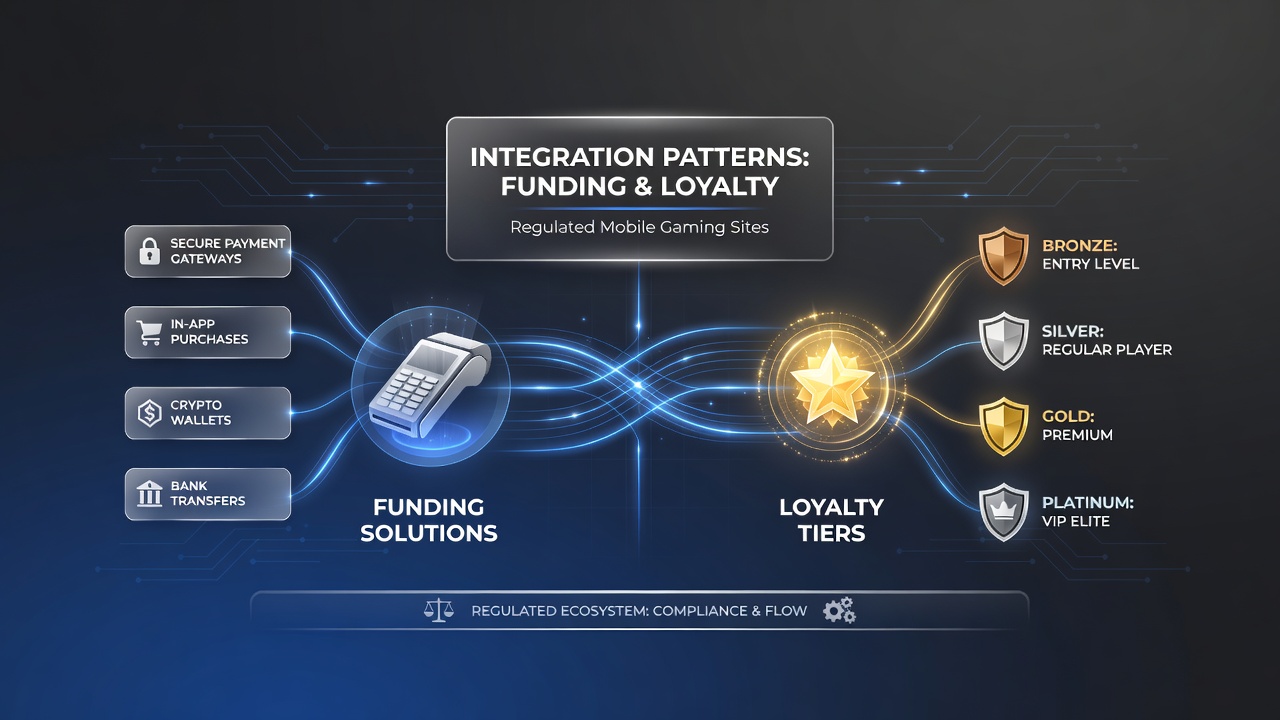
Payment systems and loyalty frameworks operate together on many regulated mobile gaming sites where operators link deposit methods directly to tier progression and reward allocation, creating seamless pathways that track player activity through each transaction type. This connection allows platforms to assign points based on funding sources such as e-wallets or bank transfers while adjusting bonus eligibility according to the chosen method and overall spend patterns. Operators use these integrations to maintain compliance records while delivering personalized incentives that scale with player levels from entry bronze status up through higher platinum or diamond categories.
Core Elements of Funding Solutions in Mobile Gaming
Regulated platforms support multiple funding options including digital wallets, instant bank transfers, prepaid cards, and pay-by-phone services, each carrying distinct processing speeds and fee structures that influence how loyalty points accumulate. Data from industry reports shows that e-wallet transactions often trigger faster point credits because of their lower verification overhead compared with traditional card payments, whereas certain bank methods require additional confirmation steps that delay reward distribution until funds clear. These differences shape player behavior as participants select methods that align with their tier goals, particularly when operators apply multipliers to specific funding types during promotional windows.
Loyalty Tier Structures and Their Mechanics
Loyalty programs divide players into ascending levels where each tier unlocks enhanced cashback rates, exclusive event access, and accelerated withdrawal limits, all determined by cumulative deposit volume and frequency tracked across the platform's database. Entry-level tiers grant basic point earnings on every funded amount while mid-tier players receive boosted multipliers and priority support channels, yet top tiers incorporate additional layers such as personalized account managers and tailored game suggestions derived from historical transaction data. Operators calculate tier advancement using algorithms that weigh not only total deposits but also the diversity of funding methods employed, encouraging users to explore varied payment channels to reach higher status thresholds more efficiently.
Integration Patterns Observed Across Platforms
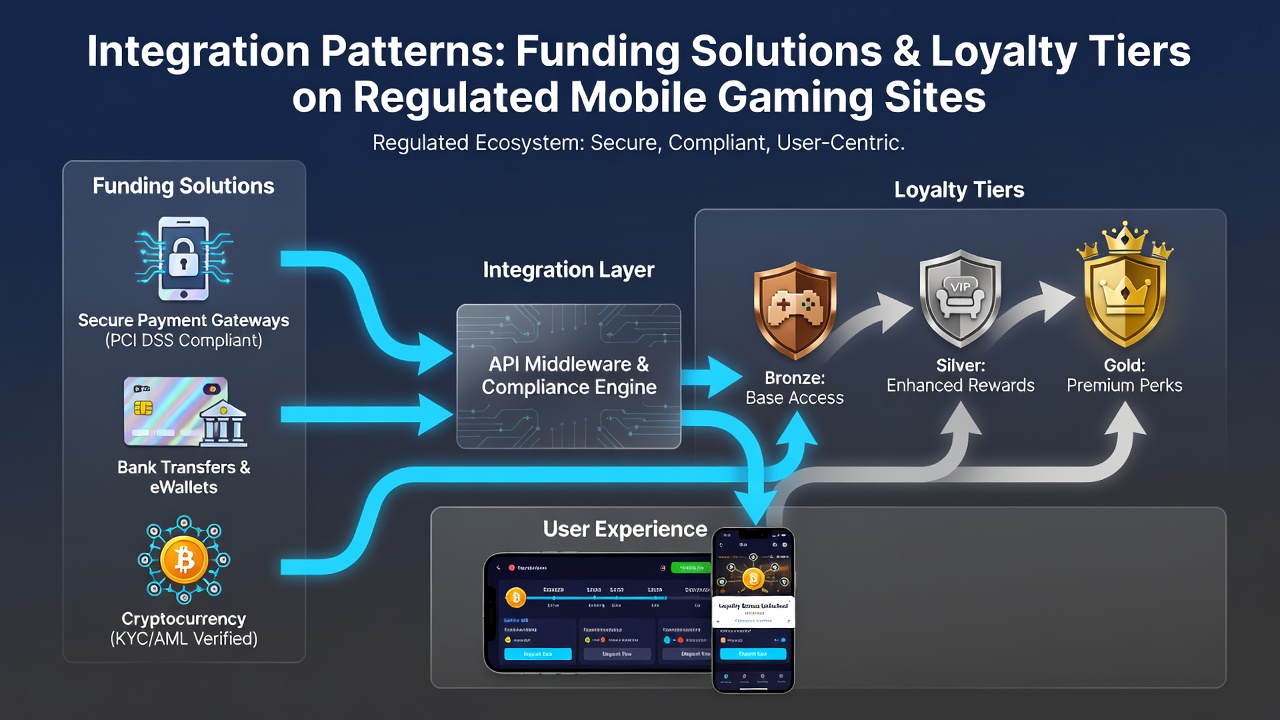
Many licensed operators embed application programming interfaces that synchronize payment gateways with loyalty engines so that each deposit instantly updates point balances and evaluates tier eligibility without manual intervention. This real-time linkage appears in systems where e-wallet deposits receive automatic bonus credits scaled to the player's current level, while slower methods like wire transfers trigger pending status flags until verification completes. Research from academic studies on digital transaction ecosystems indicates that such integrations reduce administrative errors by up to 40 percent compared with siloed systems, allowing regulators to audit both financial flows and reward distributions through unified logs. Platforms further refine these patterns by offering tier-specific promotions that activate only when players fund accounts through designated channels, thereby guiding behavior toward methods that carry lower operational costs for the operator.
Geographic variations influence how these integrations function because different jurisdictions impose unique requirements on transaction reporting and player verification. In several US states, for instance, gaming control boards mandate that loyalty adjustments appear in monthly compliance filings alongside funding source breakdowns, whereas Australian regulatory frameworks emphasize consumer protection measures that require clear disclosure of how payment choices affect reward values. European operators often incorporate cross-border payment standards that standardize point calculations regardless of currency, creating smoother experiences for international users who move between multiple funding solutions.
Regulatory Developments and June 2026 Updates
Anticipated rule changes scheduled for June 2026 across multiple regions introduce enhanced data-sharing protocols between payment processors and gaming platforms, requiring operators to demonstrate that loyalty tier calculations remain transparent and free from manipulation tied to specific deposit methods. These updates build on existing frameworks established by bodies such as the Nevada Gaming Control Board and extend similar transparency expectations to mobile environments where funding and rewards intersect. Industry associations note that the new standards will standardize audit trails so regulators can verify point allocations match actual deposit activity without discrepancies arising from payment delays or currency conversions.
Practical Examples from Licensed Operators
One major platform routes all e-wallet deposits through an automated loyalty module that awards double points during promotional periods, enabling quicker tier climbs for users who favor instant funding while maintaining separate tracking for slower methods to ensure equitable progression. Another operator applies withdrawal speed bonuses exclusively to higher-tier members who consistently use verified bank transfers, illustrating how integration patterns can differentiate reward delivery based on both payment reliability and player status. Observers note that these examples reflect broader trends where platforms leverage payment data to refine loyalty offerings without violating responsible gaming guidelines that cap bonus values or require spending limits at each tier.
Future Outlook for Combined Systems
Continued advancements in secure tokenization and blockchain-based verification promise tighter integration between funding solutions and loyalty tiers, potentially allowing instant cross-platform reward transfers that follow players across multiple regulated sites. Trade group analyses suggest these developments will further align payment security with reward accuracy, reducing instances where tier status lags behind recent deposits. As mobile gaming expands, operators continue refining these connections to balance regulatory demands with user expectations for fluid, responsive systems.
Conclusion
Integration patterns between funding solutions and loyalty tiers on regulated mobile gaming sites demonstrate how transaction data directly informs reward structures while supporting compliance across varied jurisdictions. These connections evolve with upcoming 2026 regulatory refinements that emphasize transparency and accurate tracking, ensuring that payment choices and tier benefits remain aligned through reliable technological frameworks.