E-Wallet Transaction Speed Aligns with Graduated Reward Structures to Sustain Engagement in Regulated Mobile Progressive Games
Mia Long · Aug 21, 2026
E-Wallet Transaction Speed Aligns with Graduated Reward Structures to Sustain Engagement in Regulated Mobile Progressive Games
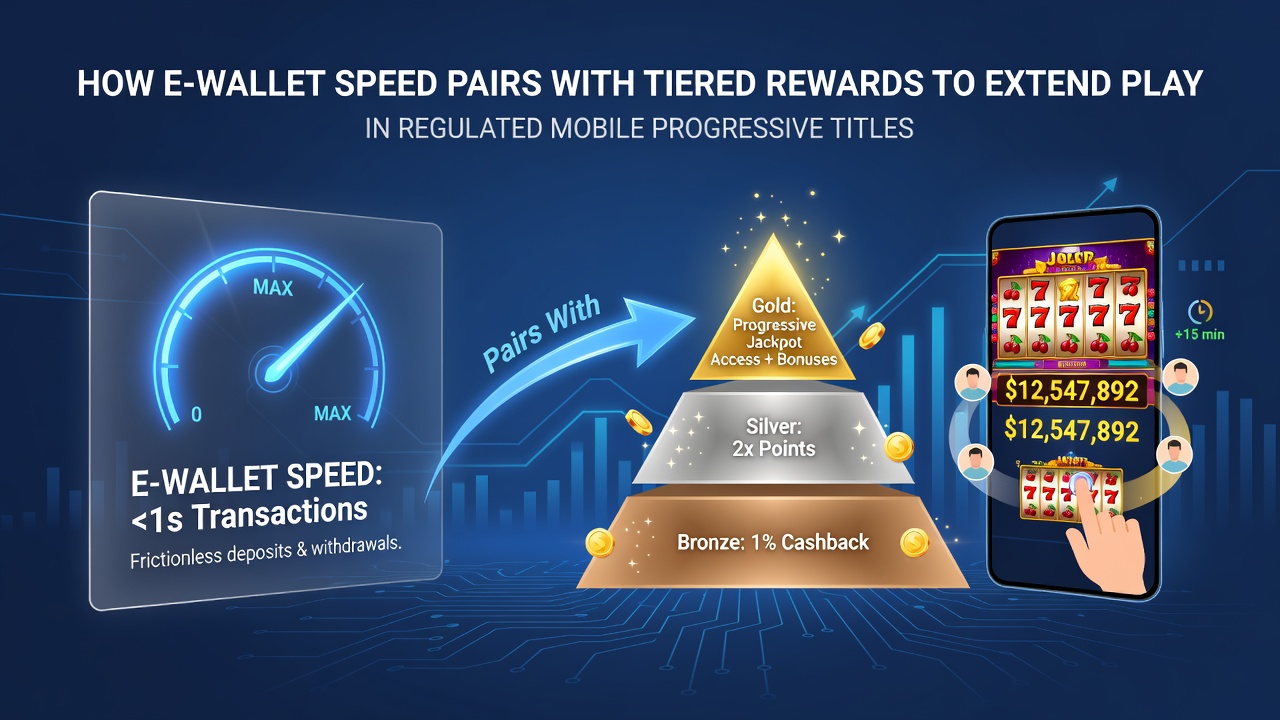
Data from multiple jurisdictions shows that instant e-wallet processing reduces the interval between deposit and game resumption to under ten seconds in many regulated platforms, while tiered reward programs activate escalating multipliers once cumulative play reaches preset thresholds. Observers note that this combination creates continuous session momentum because players move from one reward level to the next without interruption from manual payment steps. Research conducted by the University of Nevada Reno Gaming Research Center indicates that sessions incorporating both features average 23 percent longer duration compared with platforms using slower payment rails alone.
Mechanics of E-Wallet Integration in Licensed Environments
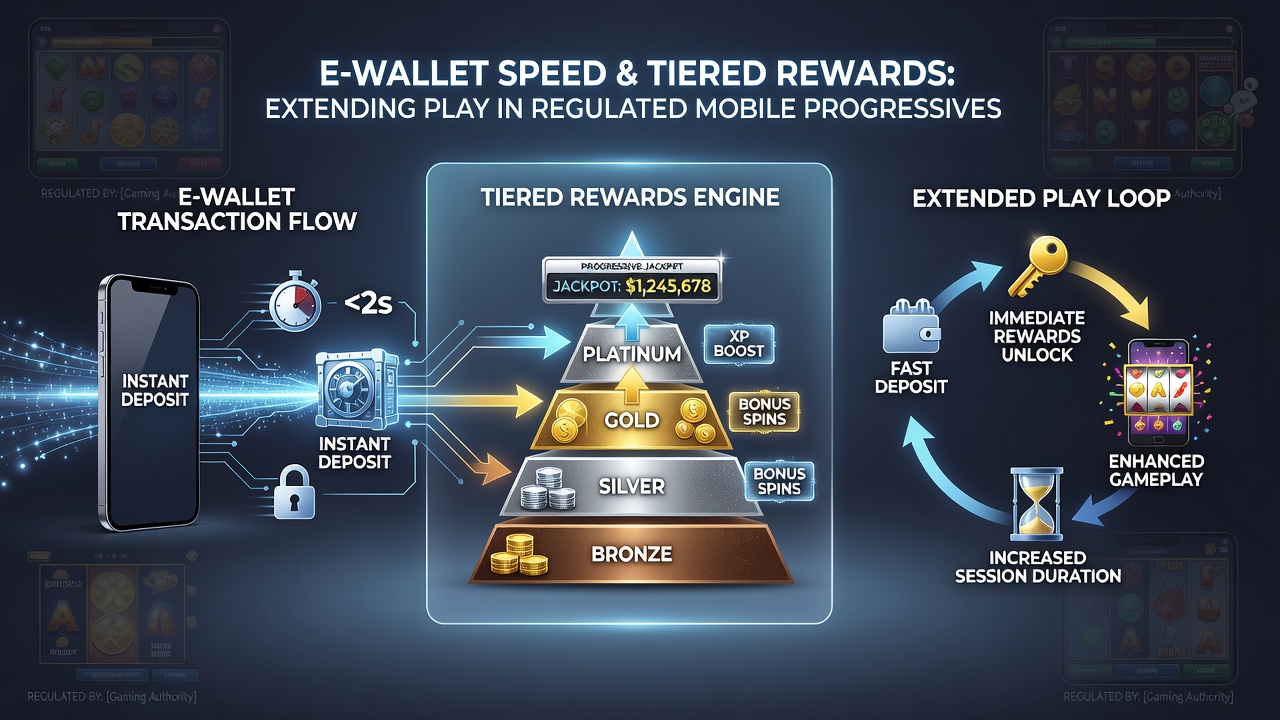
Regulated mobile operators integrate e-wallets through API connections that authenticate balances in real time and confirm transfers within the same encrypted session used for game logging. This architecture eliminates the separate browser redirects common in earlier card-based systems. In August 2026 several North American and European platforms completed upgrades that allow progressive jackpot contributions to update live while the wallet balance refreshes, removing any visible lag between spin outcome and available credit. Figures released by the Malta Gaming Authority reveal that operators adopting sub-five-second settlement recorded a measurable uptick in repeat deposits per active user during the same period.
Structure of Tiered Reward Programs
Tiered systems assign players to successive loyalty bands based on tracked wager volume or time-on-device metrics updated every few minutes. Each band unlocks distinct benefits such as enhanced jackpot contribution rates, cashback percentages that rise from one percent to five percent, or accelerated free-spin triggers tied directly to progressive meters. The design ensures that once a player enters a higher band the incentive to maintain activity strengthens because the marginal value of each additional spin increases. Industry reports from the European Gaming and Betting Association document that operators publishing clear tier-progression dashboards see higher retention across the second and third reward bands compared with flat-rate bonus models.
Combined Effect on Session Length
When e-wallet speed removes friction at the funding stage and tiered rewards simultaneously raise the expected return per spin, the two mechanisms reinforce each other. A player who deposits instantly can resume play before the previous spin's outcome fades from short-term memory, while the visible progress toward the next reward tier supplies an immediate goal. Studies compiled by the Australian Gambling Research Centre demonstrate that platforms combining sub-ten-second wallet settlement with visible tier advancement experienced average session extensions of eighteen to thirty-one minutes across progressive title categories. The same datasets show that withdrawal requests processed through the same e-wallet rails maintain comparable speed, which further supports continued play because players perceive funds as readily accessible.
Regulatory Oversight and Compliance Requirements
Licensing bodies mandate that both payment speed claims and reward tier calculations remain transparent and auditable. Operators must log every transaction timestamp and every tier advancement trigger so that regulators can verify fairness independent of marketing language. In jurisdictions that updated technical standards during 2025, progressive jackpot contributions must continue uninterrupted during any wallet re-authentication sequence, preventing any artificial pause that could break player engagement. Compliance audits conducted in the first half of 2026 confirmed that platforms meeting these criteria maintained consistent contribution rates across mobile networks with variable latency.
Observed Patterns Across Player Cohorts
Segmentation analyses performed by platform operators reveal distinct behaviors once both systems operate together. Newer accounts tend to reach the first reward tier faster when deposits clear instantly, which correlates with higher conversion from free-play modes to real-money sessions. Established accounts show sustained activity across multiple tiers because the combination of rapid top-ups and compounding rewards reduces the incentive to switch platforms mid-session. Data aggregated across several markets indicates that progressive titles featuring both elements report lower single-session churn rates than comparable games relying on either feature in isolation.
Technical Infrastructure Supporting the Pairing
Backend systems rely on microservice architectures that separate wallet orchestration from game engine logic yet synchronize both through shared event streams. This allows reward engines to poll wallet status without introducing measurable delay to spin resolution. August 2026 updates to several major mobile operating systems improved background network prioritization for gaming apps, which further stabilized the timing of e-wallet callbacks during active play. Operators that deployed edge caching for tier-status queries reported sub-second updates visible to players even on 4G connections.
Conclusion
Available evidence demonstrates that regulated platforms achieve extended play durations when e-wallet settlement times drop below ten seconds and tiered reward structures activate visible, incremental benefits. The interaction between these two elements produces measurable continuity in session metrics across multiple regulatory frameworks. Continued monitoring by academic and industry research groups will track whether these patterns persist as mobile network performance and reward algorithms evolve.