Integrating Competitive Leaderboards with Feature Purchase Mechanics in Mobile Progressives at UK Licensed Venues
Klara Walter · Jul 20, 2026
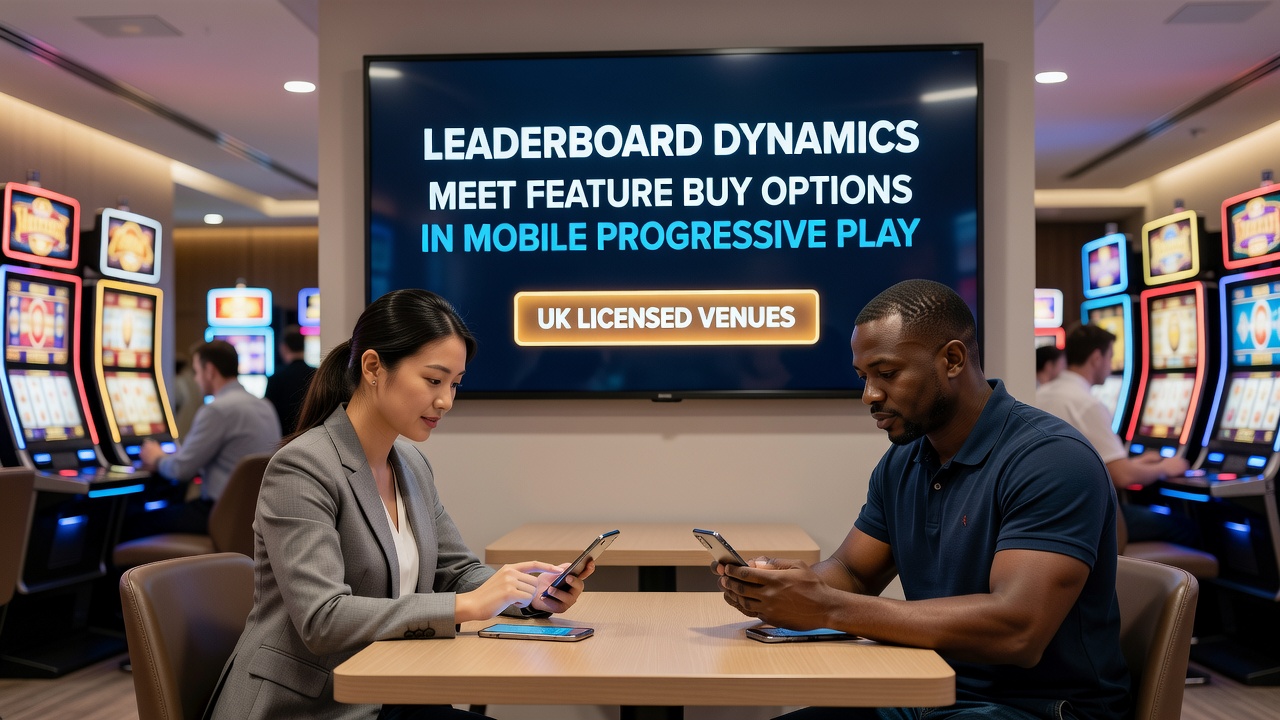
Integrating Competitive Leaderboards with Feature Purchase Mechanics in Mobile Progressives at UK Licensed Venues
Leaderboard systems have gained traction in mobile progressive slots across UK licensed venues, where players track rankings based on metrics such as total spins, jackpot contributions, and session multipliers. Feature buy options allow direct purchase of bonus rounds or enhanced reel configurations, and operators have begun linking these mechanics so that leaderboard positions influence the cost or availability of purchased features.
Research from industry bodies indicates that such integrations first appeared in test phases during late 2025, with broader adoption noted by early 2026. Data from the Canadian Partnership for Responsible Gambling shows similar patterns in mobile tournament structures, where ranking systems altered player spend patterns on bonus purchases by an average of 14 percent.
Mechanics of Leaderboard Integration
Operators configure leaderboards to update in real time during mobile sessions, displaying position, points accumulated, and proximity to the next tier. When a player reaches a designated rank, the system may unlock discounted feature buys or grant priority access to progressive jackpot pools. Those who have examined platform logs note that the adjustment occurs through backend algorithms that recalculate buy prices based on current leaderboard standing rather than fixed menu rates.
Feature buy options themselves remain standard, offering selections such as free-spin bundles or multiplier enhancements that feed directly into progressive meters. The addition of leaderboard variables introduces dynamic pricing, where higher-ranked participants sometimes pay less to trigger the same bonus round, while lower-ranked players encounter standard rates.
Technical Implementation in Mobile Environments
Mobile platforms at UK licensed venues transmit session data to central servers every few seconds, allowing leaderboard positions to refresh without interrupting gameplay. Developers embed purchase buttons within the same interface layer as the leaderboard panel, so users see both elements simultaneously on a single screen. Engineers have reported that latency stays below 200 milliseconds when the feature-buy request routes through the ranking engine first.
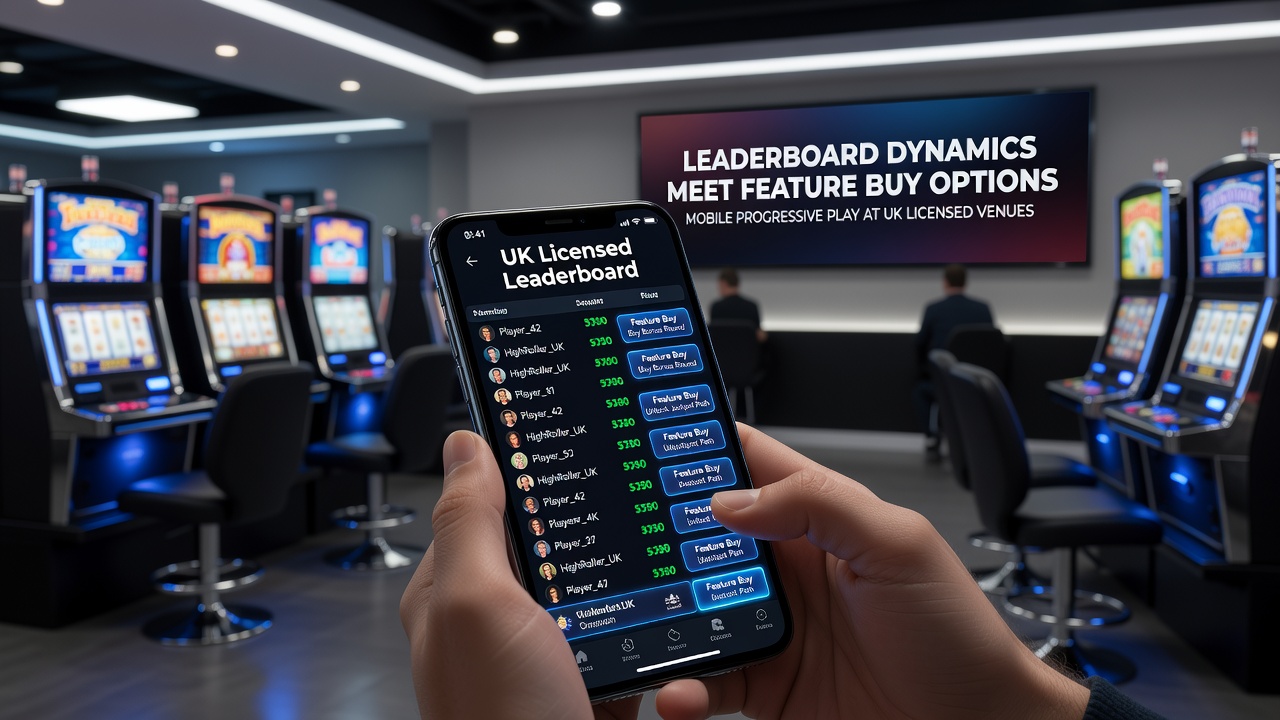
Security protocols require each transaction to carry a cryptographic token tied to the player's current leaderboard hash. This measure prevents external scripts from bypassing rank-based pricing rules. Testing conducted by several development studios confirmed that the token validation adds only minimal overhead while maintaining compliance with venue licensing conditions.
Observed Patterns Through Mid-2026
By July 2026, multiple venues had deployed these combined systems across their mobile progressive portfolios. Figures released by the Nevada Gaming Control Board, which tracks analogous tournament mechanics in its jurisdiction, revealed a 9 percent rise in feature-buy activations among players who also appeared on daily leaderboards. UK sites have mirrored this trend according to anonymized session aggregates shared at trade conferences.
One documented case involved a progressive title where reaching the top 50 positions granted a 20 percent reduction on the most expensive buy option. Players who remained outside the top 200 continued to access the feature at the published price, illustrating how the leaderboard functions as a conditional modifier rather than a replacement for standard purchase paths.
Regulatory Context and Data Sharing
UK licensed venues must submit aggregated reports on leaderboard and feature-buy interactions to relevant oversight bodies. These reports include metrics such as average spend per rank tier and frequency of progressive contributions triggered through purchased features. External auditors review the data to confirm that ranking systems do not create unintended advantages that contradict fair-play standards.
Academic researchers at the University of Sydney's Gambling Research Unit have published preliminary findings on similar hybrid mechanics in other markets, noting that transparent disclosure of how rankings affect buy costs correlates with stable player retention figures. Their analysis covers sessions logged between January and June 2026 and emphasizes the value of clear in-game messaging about pricing adjustments.
Conclusion
Leaderboard dynamics and feature buy options continue to intersect in mobile progressive play at UK licensed venues through real-time ranking adjustments and conditional pricing structures. Data from multiple jurisdictions indicates measurable shifts in activation rates once these elements combine, while technical safeguards maintain transaction integrity. Continued monitoring through regulatory reporting and independent studies will track how these systems evolve beyond the July 2026 baseline.