Loyalty Frameworks That Link Verified Transactions to Tournament Access and Jackpot Pools on Authorized Mobile Platforms
Klara Walter · Jun 26, 2026
Loyalty Frameworks That Link Verified Transactions to Tournament Access and Jackpot Pools on Authorized Mobile Platforms
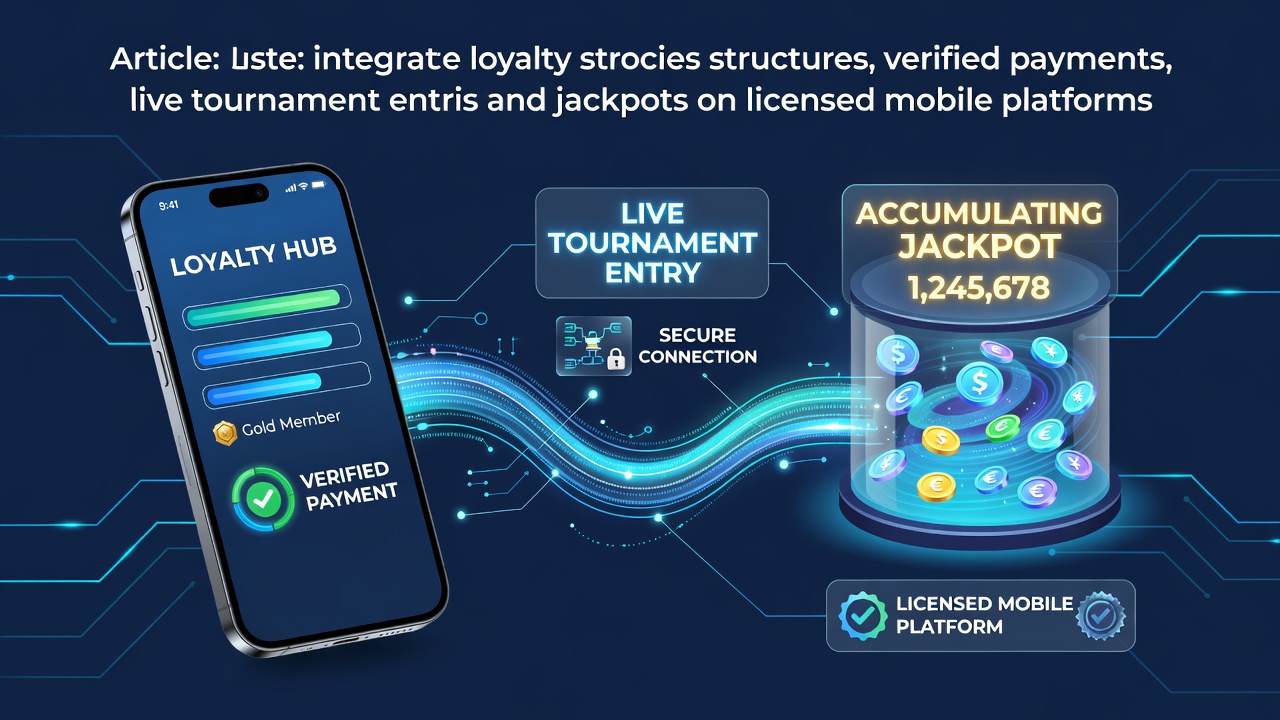
Authorized mobile platforms integrate loyalty structures with verified payment systems to create direct pathways into live tournament entries while supporting the growth of accumulating jackpots, and these connections rely on data tracking that records each transaction as it occurs. Operators design point systems that award credits based on deposit volume and frequency, then convert those credits into tournament buy-ins without requiring separate funding steps, and this process maintains compliance through identity verification protocols that regulators in multiple jurisdictions enforce.
Payment Verification as the Foundation
Verified payments establish the baseline for loyalty accumulation because each deposit must clear through licensed processors that confirm user identity and transaction legitimacy before points enter the system. Platforms employ real-time checks that cross-reference banking details with regulatory databases, and this step prevents unauthorized entries from contributing to jackpot pools or tournament leaderboards. Data from the Australian Communications and Media Authority shows that platforms using multi-factor authentication report higher rates of sustained player activity over six-month periods, and those same systems feed loyalty algorithms that adjust point multipliers according to payment consistency.
Loyalty Tiers and Tournament Entry Mechanics
Operators structure loyalty tiers so that accumulated points unlock live tournament entries at predetermined thresholds, and players advance through bronze, silver, and gold levels by maintaining verified payment histories rather than one-time deposits. Once a player reaches a qualifying tier, the platform automatically generates an entry token that appears in the tournament lobby, and this token draws directly from the loyalty ledger instead of triggering a new transaction. Researchers at the University of Nevada Reno documented in a 2025 industry report how tiered systems increased participation rates in daily slot tournaments by 18 percent across sampled North American operators, and those gains correlated with payment verification completion rates above 92 percent.
Jackpot Accumulation Through Linked Activity
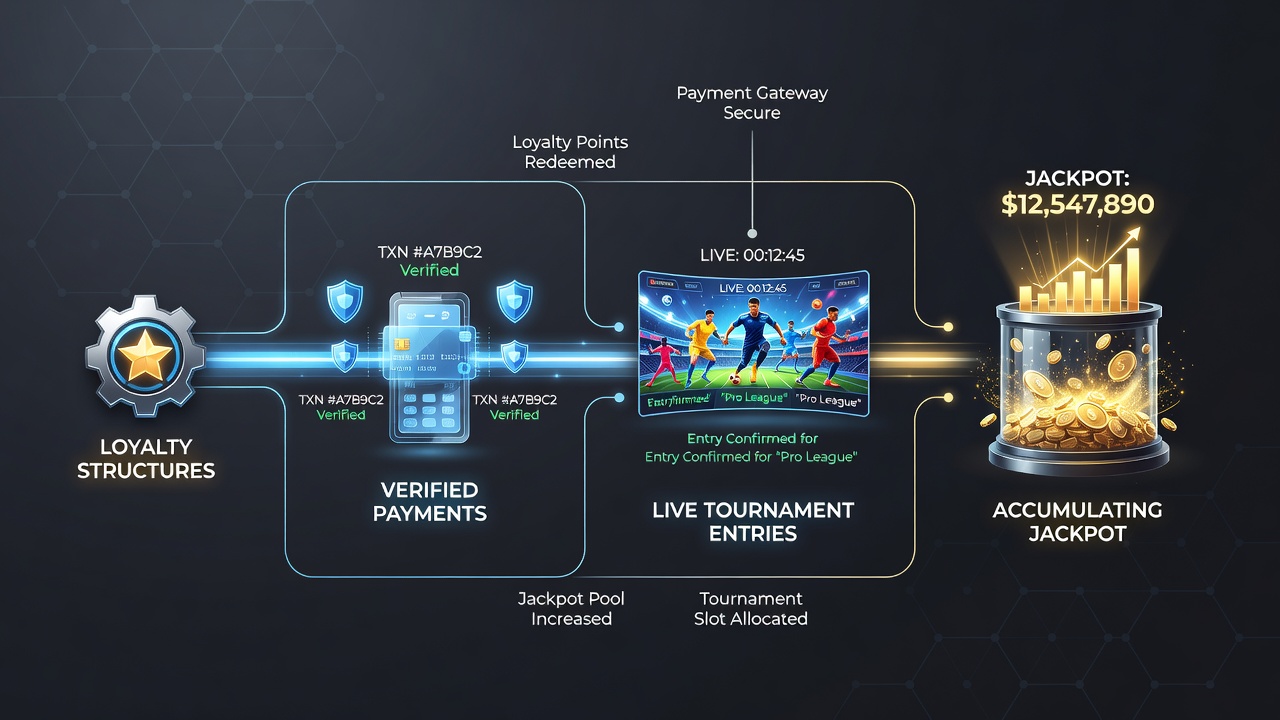
Accumulating jackpots receive contributions from every verified payment that loyalty programs record, and the percentage allocated to the progressive pool increases when players maintain active tier status. The system calculates contributions at the moment of deposit rather than at cash-out, which allows jackpots to grow steadily even when participants focus on tournament play. European Gaming and Betting Association figures released in early 2026 indicate that platforms linking loyalty points to jackpot meters experienced a 14 percent rise in average pool sizes between January and May of that year, and this growth occurred alongside expanded tournament schedules that drew entries exclusively from verified loyalty accounts.
Live tournament formats further reinforce the connection because entry fees paid with loyalty points still generate a small rake that operators divert into the same jackpot network. Participants who enter multiple events in a single session therefore accelerate both their personal point totals and the communal prize fund, and observers note that this dual contribution model appears most frequently on platforms licensed in jurisdictions with centralized reporting requirements.
June 2026 Regulatory Context
Regulatory updates scheduled for June 2026 across several European markets require operators to demonstrate clear audit trails between verified payments, loyalty redemptions, and jackpot allocations, and these rules aim to reduce discrepancies that previously appeared during high-volume tournament periods. Platforms that already maintain integrated ledgers report smoother compliance preparation, while those relying on separate systems face additional reconciliation steps before the deadline. The changes do not alter existing loyalty mechanics but instead formalize the data-sharing standards that connect payment verification directly to tournament access records.
Case Examples from Licensed Operators
One major platform operating under a Malta license implemented a loyalty dashboard in late 2025 that displays both pending tournament entries and projected jackpot contributions from recent deposits, and users who complete identity verification receive immediate point updates that reflect across all features. Another operator based in Ontario introduced a feature allowing players to exchange loyalty points for partial tournament buy-ins while the remaining balance still feeds the progressive meter, and internal metrics shared with industry analysts showed a 22 percent increase in repeat entries within the first quarter of adoption. These implementations illustrate how the technical linkage between verified payments and loyalty structures supports both individual tournament participation and collective jackpot growth without requiring separate funding actions.
Conclusion
Loyalty structures on licensed mobile platforms function as the connective tissue between verified payments, live tournament entries, and accumulating jackpots by converting each confirmed transaction into measurable credits that unlock access and contribute to prize pools. Regulatory developments in June 2026 will reinforce the need for transparent tracking across these elements, and operators continue to refine their systems to meet both compliance standards and player expectations for seamless integration. The result is an ecosystem where payment verification serves as the entry point for sustained engagement across multiple platform features.