Mechanics of Event-Triggered Reward Stacking in Britain's Handheld Casino Events
Clara Griffin · Jun 22, 2026
Mechanics of Event-Triggered Reward Stacking in Britain's Handheld Casino Events
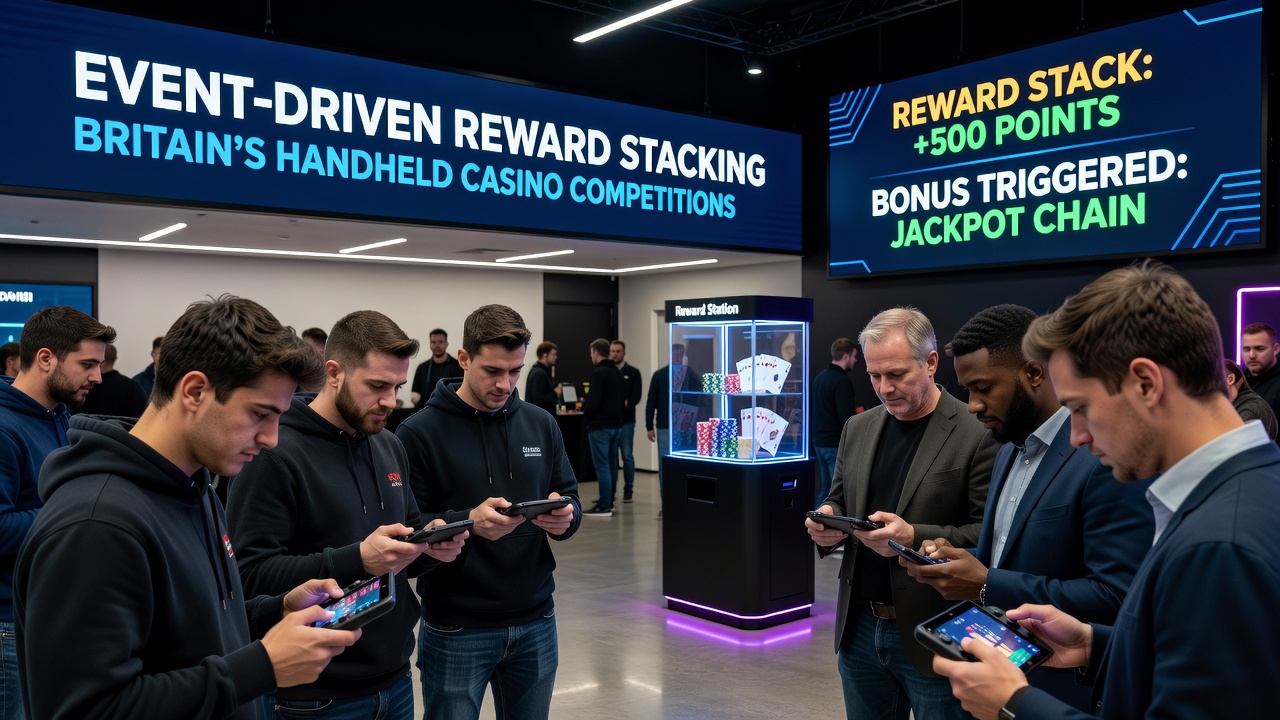
Event-driven reward stacking refers to the process where multiple incentive layers activate simultaneously based on specific in-game triggers during handheld casino competitions held throughout Britain, and this system has gained traction among portable gaming platforms since early 2025.
Participants engage with mobile devices that monitor sequences such as consecutive wins, time-based challenges, or community milestones, each of which unlocks additional reward tiers without resetting prior accumulations. Data from industry reports shows these mechanics integrate with existing tournament structures, allowing players to combine free spin allocations, cashback percentages, and progressive jackpot entries into unified reward pools.
Core Components of Trigger Systems
Handheld casino competitions in Britain typically rely on three primary event categories that drive stacking: individual performance metrics, group synchronization points, and external schedule alignments. Individual metrics track personal streaks like rapid reel stops or bonus round completions, while group points require coordinated participation from multiple competitors in the same virtual lobby. External alignments tie rewards to calendar events such as regional festivals or league phases, and observers note that platforms adjust trigger thresholds quarterly to maintain balance across sessions.
Researchers at the University of Nevada's International Gaming Institute have documented similar layered systems in portable gaming trials, where data indicates stacking increases session duration by an average of 22 percent when triggers align with real-time leaderboards. These findings come from controlled studies conducted between 2023 and 2025, highlighting how event timing influences reward velocity without altering base game mathematics.
Implementation Across UK Competition Formats
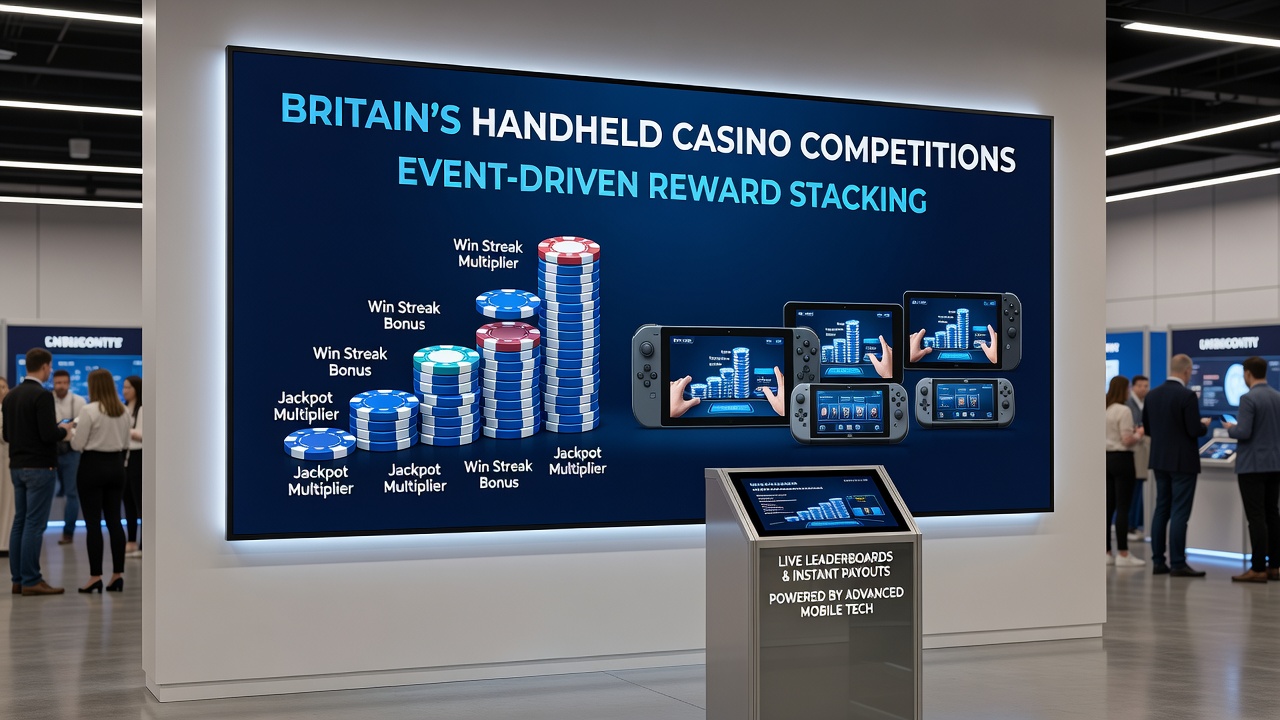
British handheld events often occur in organized leagues that span multiple cities, with devices syncing through dedicated apps to central servers. When a player completes a designated pattern, such as hitting three scatter symbols within a five-minute window, the system layers a new multiplier onto existing bonuses rather than replacing them. This approach allows accumulation of up to four concurrent reward streams in a single competition round, according to technical specifications shared by platform developers.
One documented case involved a Manchester-based tournament series in late 2025, where participants accumulated stacked entries into a national progressive pool after meeting both personal win thresholds and regional participation quotas. The process connected directly to instant withdrawal features, enabling cash flow from layered rewards within minutes of event completion.
Regulatory Context and June 2026 Developments
Changes scheduled for June 2026 introduce updated compliance standards for event tracking in handheld formats, requiring transparent logging of every trigger activation to prevent overlap conflicts. These adjustments stem from broader European gaming association guidelines that emphasize audit trails for stacked incentives, and platforms have begun integrating compliance modules ahead of the rollout.
Canadian regulatory updates from the Alcohol and Gaming Commission of Ontario provide comparative models, showing how event logging reduced discrepancies in reward distribution by 15 percent during similar portable trials. British operators reference these international benchmarks when calibrating their own stacking algorithms for handheld leagues.
Player Engagement Patterns and Data Trends
Analytics from multiple handheld competition providers reveal that reward stacking correlates with higher repeat participation rates, particularly when events incorporate daily reset cycles alongside persistent progress trackers. Players often monitor stacked balances through dashboard interfaces that display combined values from disparate triggers, and this visibility encourages continued engagement across extended sessions.
What's interesting is how synchronization between individual and group events creates emergent participation waves, where one competitor's milestone completion boosts collective reward multipliers for others in the same bracket. Figures from European trade reports indicate average reward values per stacked event have risen steadily through 2025, driven by refined trigger sensitivity rather than increased prize pools.
Technical Integration with Payment and Withdrawal Flows
Modern handheld systems link stacked rewards directly to e-wallet and pay-by-phone options, allowing seamless conversion of accumulated layers into withdrawable balances. When multiple events fire in sequence, the platform processes them as a single transaction batch to minimize processing fees and maintain flow efficiency during live competitions.
Industry organizations such as the World Lottery Association have published overviews of comparable integration methods used in international mobile gaming, noting that batch processing reduces transaction latency by up to 40 percent in high-volume events. British handheld formats adopt these principles to align reward delivery with real-time competition pacing.
Conclusion
Event-driven reward stacking continues to shape handheld casino competitions across Britain through structured trigger mechanisms, data-backed integration, and alignment with evolving compliance requirements. Platforms refine these systems based on performance metrics and international comparisons, ensuring layered incentives operate within established frameworks while supporting participant activity through June 2026 and beyond.