Payment Innovations Expand Access to Prize Pools in Regional Online Gaming Markets
Greta Long · Jul 10, 2026
Payment Innovations Expand Access to Prize Pools in Regional Online Gaming Markets
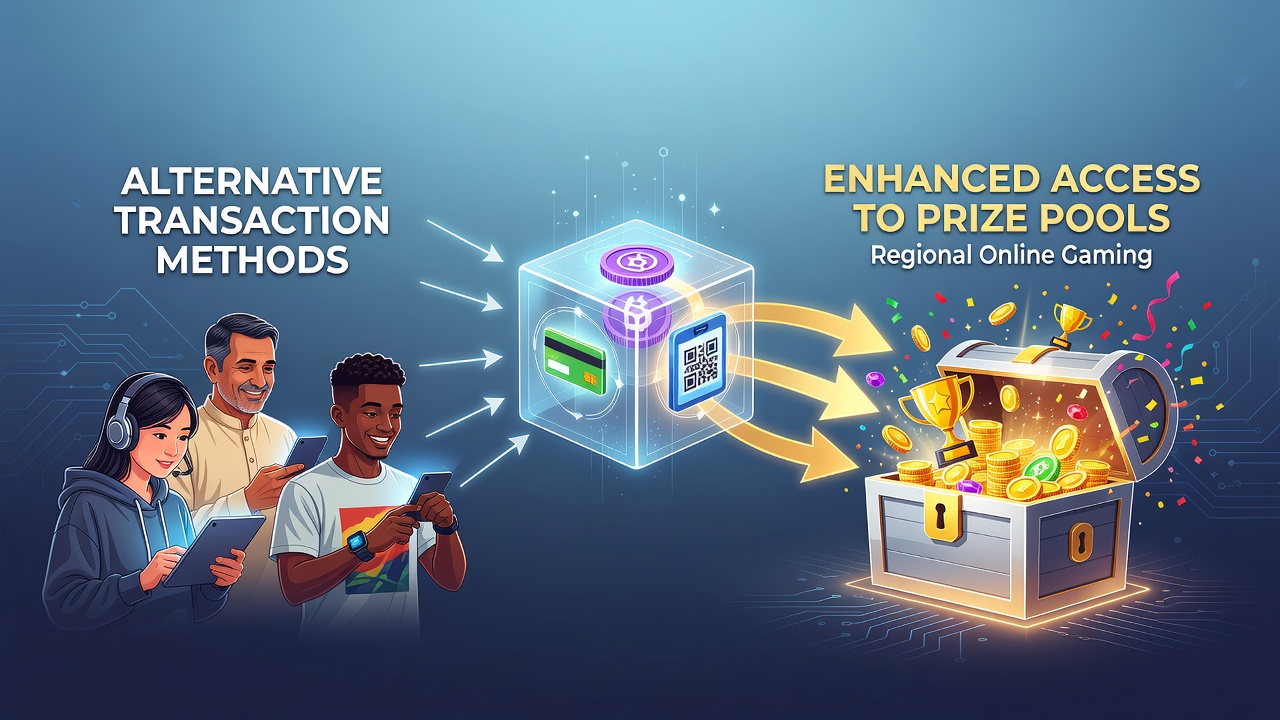
Regional online gaming markets have seen transaction methods evolve beyond traditional banking channels, and these shifts directly affect how participants reach prize pools in areas with limited financial infrastructure. E-wallets, cryptocurrency transfers, and pay-by-phone systems reduce processing delays that once excluded players from time-sensitive draws or progressive accumulations, while data from industry reports shows transaction completion rates climbing in markets across Southeast Asia and Latin America.
Transaction Barriers in Regional Markets
Banking restrictions often limit direct access in countries where credit card usage for gaming faces blocks or where local currencies complicate cross-border prize claims, yet alternative methods bypass many of those hurdles by routing funds through digital intermediaries that operate independently of legacy systems. Observers note that in regions like parts of Africa and South America, mobile money platforms have integrated with gaming operators to allow instant deposits from everyday phone balances, which in turn feeds into shared prize structures without requiring international wire approvals that can take days.
Key Methods Driving Participation
Cryptocurrency wallets enable near-instant settlements in volatile currency environments, and this speed proves critical when prize pools reset on fixed schedules or when regional tournaments close entry windows quickly. E-wallet services meanwhile aggregate multiple funding sources into one account, which lowers the minimum thresholds many platforms impose on smaller regional operators and lets players from lower-income brackets accumulate entries over time rather than committing large sums upfront.
- Mobile carrier billing converts phone credit directly into gaming balances in markets where bank accounts remain uncommon
- Prepaid voucher systems provide anonymity and avoid currency conversion fees that erode smaller prize shares
- Peer-to-peer transfer apps link local users to operators without exposing full banking details
Research from the Alcohol and Gaming Commission of Ontario highlights how these layered options increased active accounts among users in remote Canadian provinces by streamlining verification steps that previously required physical branch visits.
Impact on Prize Pool Accessibility
Alternative methods shrink the gap between deposit and play, which matters most for progressive prize pools that grow only when enough participants join within narrow timeframes, and figures reveal higher contribution rates from regions that adopted these tools early. In July 2026 several platforms in emerging markets plan synchronized rollouts of combined e-wallet and crypto gateways timed with seasonal tournament cycles, allowing simultaneous entries from multiple time zones without the settlement lags that once fragmented participation.
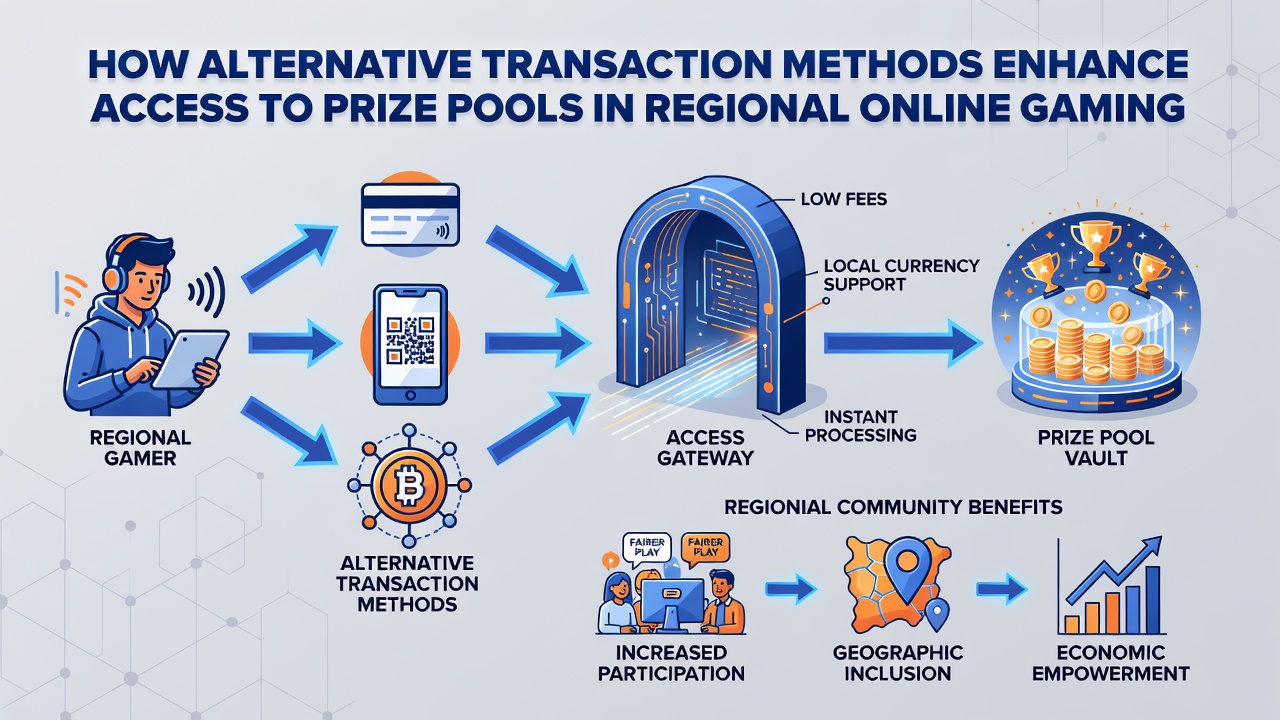
Those who've tracked transaction logs across platforms report fewer abandoned carts when pay-by-phone options appear at checkout, because the process skips the card detail entry that triggers security flags in certain jurisdictions. What's interesting is how these efficiencies compound: faster inflows mean prize pools reach guaranteed minimums sooner, which draws additional regional players who monitor pool sizes before committing.
Regulatory and Infrastructure Considerations
Government agencies in Australia and the European Union have issued guidelines that recognize digital transaction records as valid proof of play for prize claims, and this recognition removes a layer of paperwork that once deterred casual participants in cross-border competitions. Industry associations note that operators who integrate multiple payment rails see broader geographic coverage because each method aligns with local preferences and regulatory tolerances rather than forcing a single banking pathway.
One study from university researchers in Brazil examined transaction data from regional platforms and found that users relying on alternative methods contributed to prize pools at rates 18 percent higher than those limited to traditional transfers, largely because verification occurred in minutes instead of hours. Yet infrastructure gaps persist in rural zones where internet reliability affects mobile payment confirmations, prompting operators to add offline voucher redemption points that feed back into digital balances once connectivity returns.
Future Developments Around Mid-2026
By July 2026, several regional markets expect expanded partnerships between gaming operators and telecommunications firms that will embed payment options directly into gaming apps, eliminating separate wallet logins and further lowering entry friction for prize events. Data from trade groups indicates these integrations could extend access to previously underserved areas in Central Asia where banking density remains low but mobile penetration continues to rise.
Conclusion
Alternative transaction methods continue reshaping how regional players interact with prize pools by shortening settlement times, widening payment choices, and aligning with local infrastructure realities. Evidence from multiple regulatory bodies and academic sources shows measurable increases in participation when these options become available, and the pattern suggests further integration will sustain that trend through scheduled platform updates in 2026 and beyond.