The Role of Reward Layering in Promoting Extended Play Sessions Within Licensed British Gaming Applications
Mia Long · Aug 19, 2026
The Role of Reward Layering in Promoting Extended Play Sessions Within Licensed British Gaming Applications
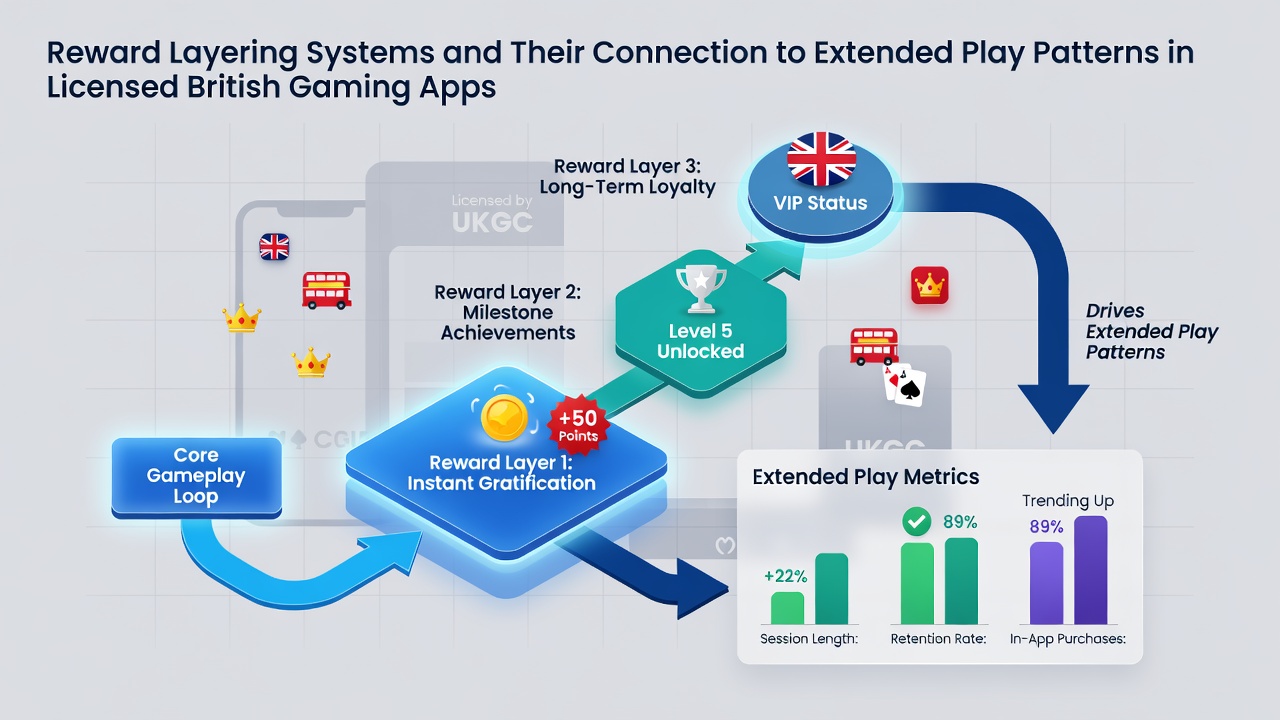
Layered reward systems operate through stacked incentives that build on each other across multiple play sessions, and licensed British gaming applications integrate these mechanisms to shape user behavior over time. These structures combine daily login bonuses with progress trackers, achievement milestones, and tiered loyalty points, all of which accumulate in ways that encourage continued engagement rather than isolated sessions.
Mechanics Behind Reward Layering
Operators design these layers so that initial rewards unlock access to secondary and tertiary benefits, creating a progression path that users follow across days or weeks. A player might receive free spins for daily logins, then convert accumulated points into higher-value multipliers that only activate after reaching certain thresholds, while separate challenges add another dimension by tying rewards to specific game types or time-based goals. This approach keeps multiple incentive tracks active simultaneously, and the interaction between them extends the duration users spend navigating the application.
Observed Connections to Prolonged Activity
Data from mobile gaming platforms shows that users who engage with layered systems tend to return more frequently and maintain longer individual sessions compared with those who interact with single-bonus structures. The compounding effect appears because each completed layer feeds into the next, reducing the natural stopping points that might otherwise occur when a simple reward cycle ends. Observers note that players often continue after reaching one milestone because the next layer has already begun accumulating value, and this seamless transition between incentives sustains momentum without requiring external prompts.
Research Findings on Engagement Patterns
Studies conducted by the Responsible Gambling Council in Canada indicate that layered incentive designs correlate with measurable increases in session length across regulated digital platforms, and similar patterns emerge when researchers examine user logs from British applications. A report from Gambling Research Australia further highlights how progression-based rewards influence repeat visits, showing that users exposed to multiple overlapping systems demonstrate higher retention rates over multi-week periods. These findings suggest the structure itself, rather than any single reward type, drives the extension of play activity through continuous goal reinforcement.
Implementation Across Licensed Applications
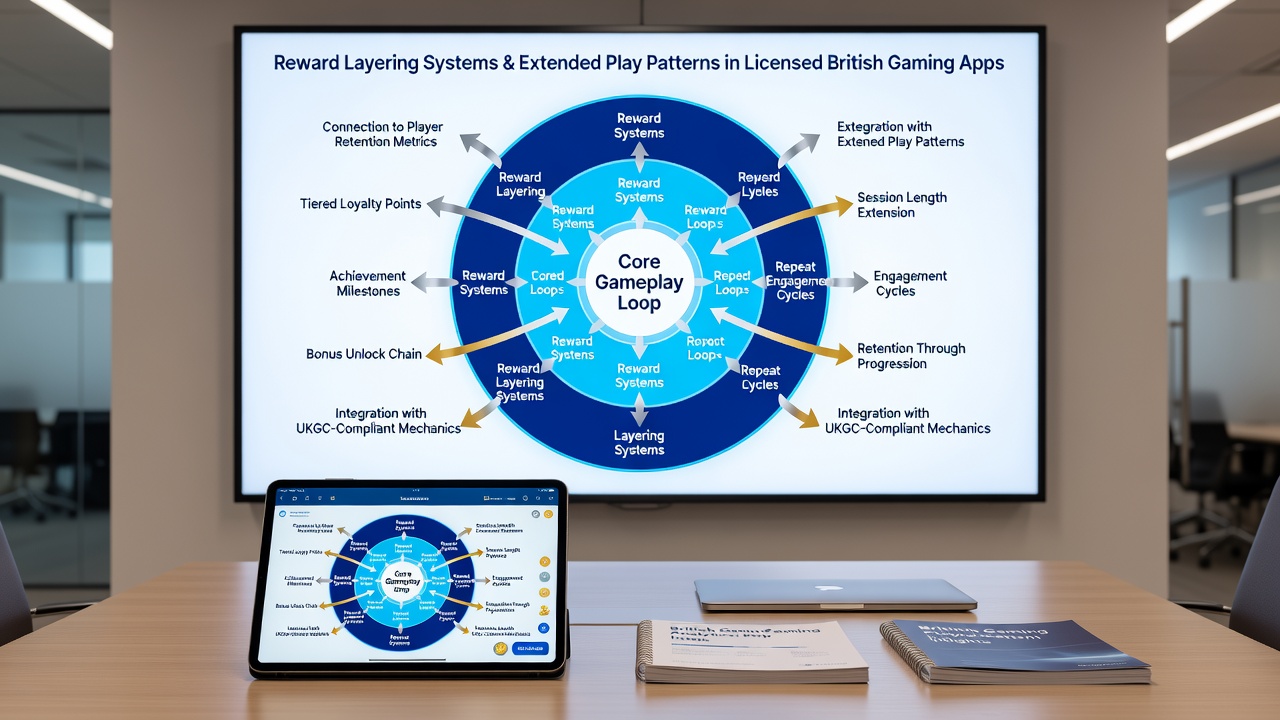
British gaming apps incorporate these systems through distinct modules that users access via the main interface, and each module updates independently while feeding data into a central progress dashboard. One common configuration pairs time-limited events with permanent loyalty ladders, so that participation in a weekly tournament contributes points toward a monthly ranking that unlocks additional features. Developers adjust the pacing of these layers based on aggregate usage data, ensuring that new incentives appear before existing ones fully deplete, and this timing strategy maintains an unbroken chain of available rewards throughout the calendar month.
Developments Anticipated Around August 2026
Industry analysts expect several licensed operators to introduce enhanced cross-game layering features in August 2026, allowing progress made in one title to transfer directly into another within the same portfolio. This expansion would further integrate separate reward tracks and potentially lengthen overall platform engagement by removing boundaries between individual games. Regulatory updates in other jurisdictions have already begun testing similar transfer mechanisms, and British platforms are positioned to adopt refined versions once technical standards stabilize.
Conclusion
Reward layering systems connect directly to extended play patterns through their cumulative structure, which keeps multiple incentive pathways active at once. Research from international bodies demonstrates consistent associations between these designs and increased session duration, while implementation details in licensed British applications show deliberate pacing that sustains user momentum. As new features roll out in 2026, the relationship between layered rewards and prolonged activity will likely become even more pronounced across the sector.