Tournament-Tied Digital Wallets Fuel Extended Cycles in Mobile Progressive Play Events
Mia Long · Aug 5, 2026
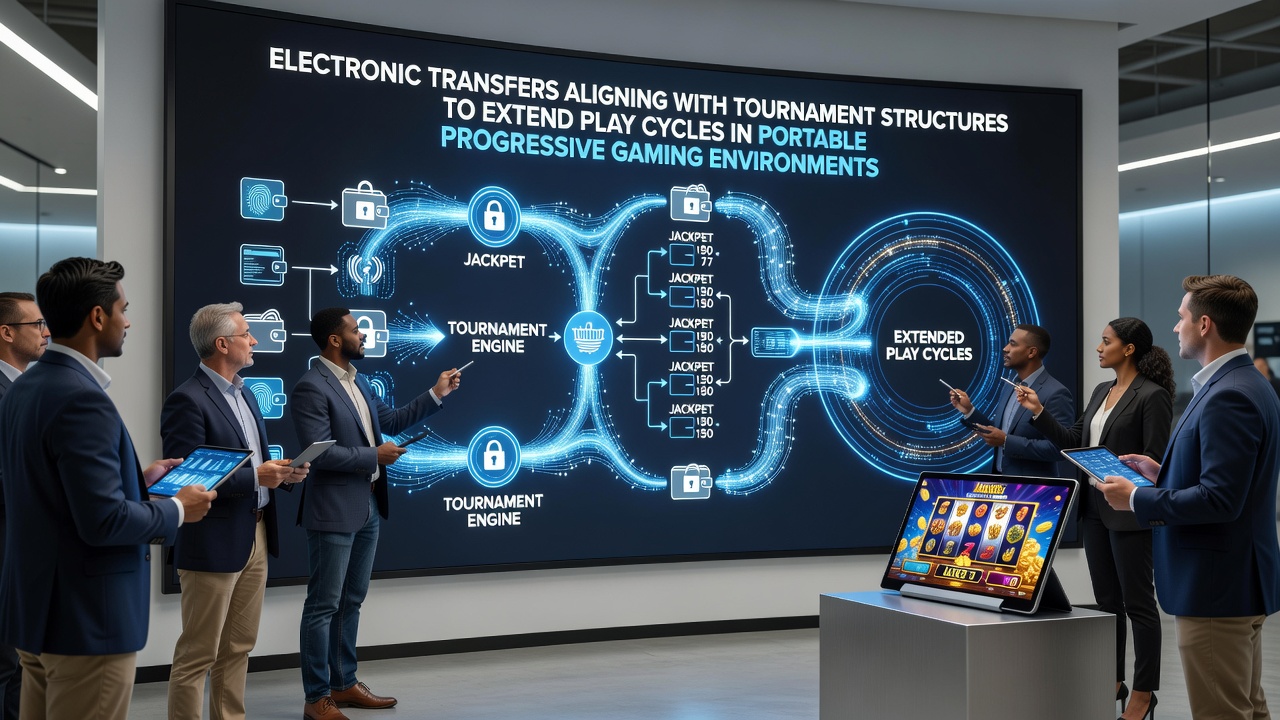
Digital Payment Alignment with Tournament Formats Extends Engagement in Mobile Progressive Gaming
Electronic transfers have become central to how players participate in tournament formats within portable progressive gaming environments, where mobile devices host interconnected jackpot systems that grow through collective contributions across sessions. Data from industry reports shows these payment methods integrate directly with tournament scheduling, allowing seamless entry fees, real-time balance updates, and instant prize distributions that keep participants active longer than traditional cash-based approaches permit.
Mechanics of Electronic Transfers in Mobile Settings
Portable devices support electronic transfers through e-wallets, bank-linked apps, and carrier billing options that process funds in seconds rather than minutes. Researchers at various gaming technology centers have documented how these systems reduce friction during tournament registration, since players receive immediate confirmation of entry and can monitor leaderboard positions without leaving the application interface. When progressive jackpot pools tie into the same transaction layer, each spin or round contributes to both personal progress and shared prize accumulation, creating a continuous loop that extends individual play cycles.
Tournament Structures and Their Connection to Payment Flows
Tournament formats in progressive mobile gaming typically operate on timed rounds, elimination brackets, or cumulative score challenges that run for hours or days. Electronic transfers align with these structures by handling micro-payments for additional entries, bonus multipliers, or side challenges that appear at specific intervals. Observers note that platforms using synchronized payment gateways report higher retention rates because users stay logged in to complete pending transfers or claim rewards before the next phase begins. This alignment turns what might have been isolated sessions into extended sequences where one transfer leads naturally into continued participation.
Data Trends Emerging in Mid-2026
Figures from North American and European gaming associations indicate steady growth in mobile progressive participation during the first half of 2026, with electronic transfer volumes rising in tandem. In August 2026 several regional operators introduced updated APIs that link payment confirmations directly to tournament clocks, a development tracked by the American Gaming Association through its annual technology surveys. The result has been measurable increases in average session duration, as players receive notifications about upcoming rounds only after their balances update through approved transfer channels. Similar patterns appear in reports from Australian research institutions studying cross-border gaming platforms, where integrated payment and tournament systems correlate with repeat logins within the same 24-hour window.
One documented case involved a multi-operator tournament series that used electronic transfers to manage both entry and prize pools across different jurisdictions. Participants could move funds between personal accounts and the shared progressive meter without exiting the mobile interface, a feature that allowed the event to run continuously over several days rather than ending at predetermined cutoffs. Industry organizations such as the Canadian Gaming Association have published summaries showing that such integrations reduce drop-off rates between tournament phases by streamlining the financial steps that previously required separate verification.
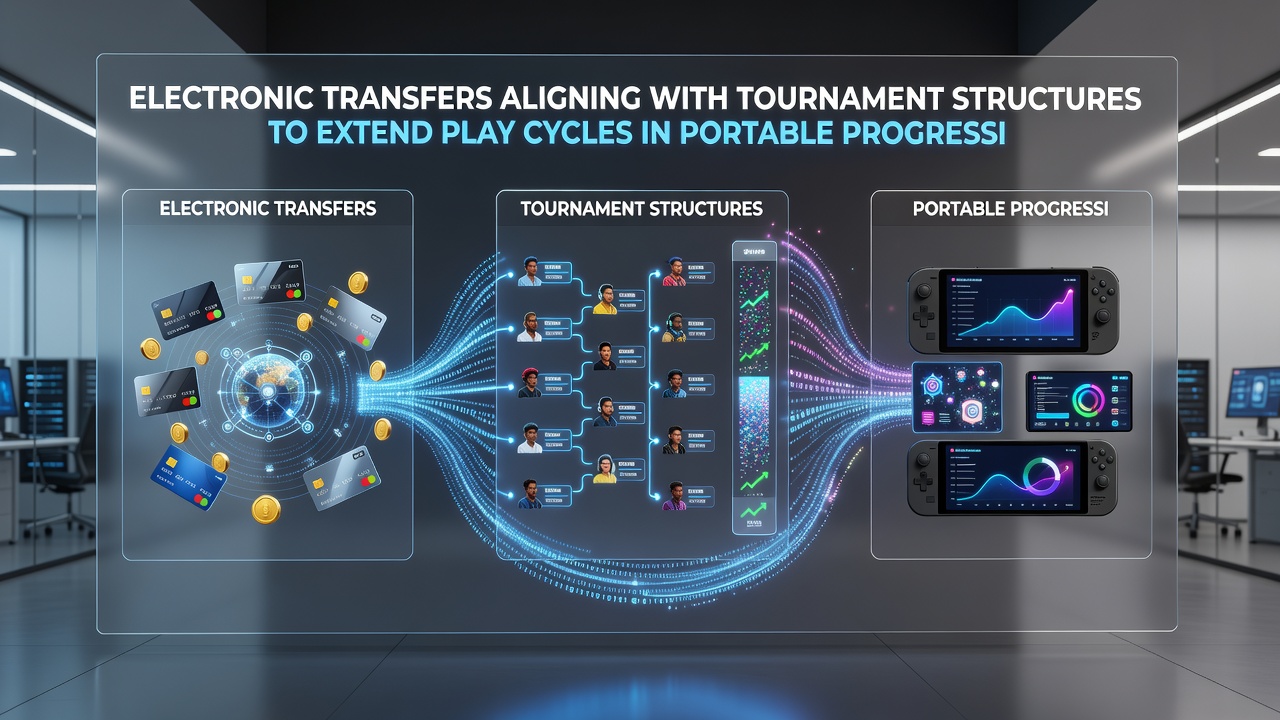
Technical Synchronization Between Payments and Play Cycles
Developers achieve alignment through timestamped transaction logs that match tournament round markers, ensuring that a transfer processed at 14:37 appears in the active leaderboard within the same minute. This synchronization relies on secure APIs that communicate with both banking networks and game servers simultaneously. Studies from university-affiliated gaming labs have examined latency reductions achieved when payment rails operate on the same infrastructure as progressive jackpot calculations, noting that shorter delays translate into fewer abandoned sessions. Players therefore remain engaged because the financial and competitive elements advance in parallel rather than in separate sequences.
Regional Variations in Implementation
European operators have adopted standardized transfer protocols that comply with multiple national payment directives, while North American platforms often work within state-specific frameworks that still permit cross-device tournament access. Australian regulatory bodies have examined how electronic transfers support responsible play tools, such as session reminders tied to balance updates during ongoing events. These regional differences highlight that the core mechanism—linking transfers to tournament timing—operates consistently even when the surrounding rules vary.
Conclusion
Electronic transfers continue to mesh with tournament structures in portable progressive gaming environments by removing delays between financial actions and competitive phases. Available data from multiple industry and academic sources shows measurable effects on session length when these systems operate in coordination. As operators refine the technical connections between payment processing and event scheduling, play cycles in mobile progressive formats extend through the natural flow of funds and tournament progression rather than through isolated features.