UK Gambling Commission Sets Tiered Stakes for Online Slots Ahead of 2026 Rollout
Greta Long · Mar 11, 2026

UK Gambling Commission Sets Tiered Stakes for Online Slots Ahead of 2026 Rollout
The Core Changes Hitting Online Slots in Early 2026
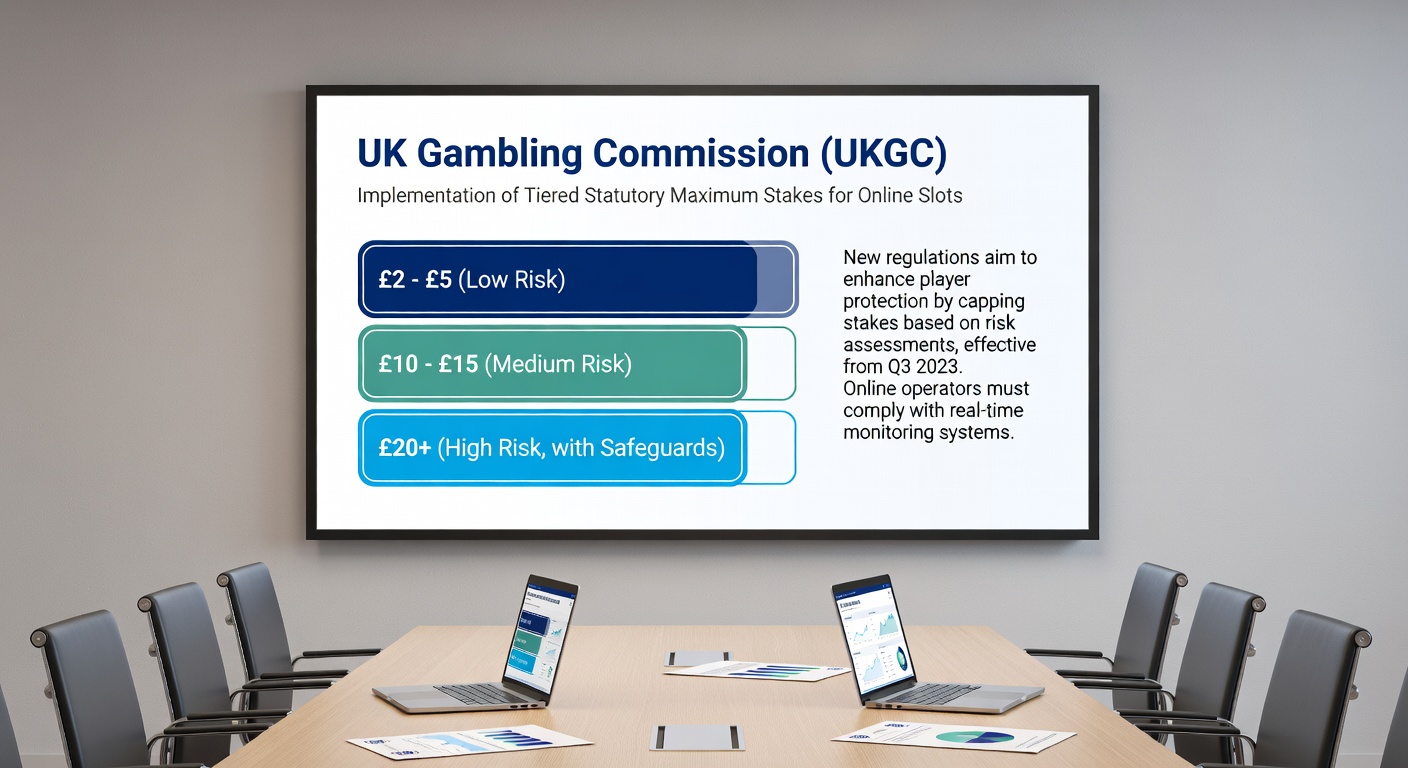
Observers in the UK iGaming scene have noted how the UK Gambling Commission (UKGC) just locked in major reforms targeting online slots, with tiered statutory maximum stakes designed specifically to shield younger and more vulnerable players from excessive losses. Under these new rules, players aged 18 to 24 face a £2 cap per spin, while those 25 and older get a £5 limit; operators must display these limits clearly within games, ensuring transparency from the jump. And that's not all, because alongside the stakes come a full ban on mixed-product bonuses—think no more free spins on slots tied to sports bets or casino wagers—which aims to cut down on cross-selling that funnels folks into higher-risk zones.
But here's the thing: these measures roll out in early 2026, giving the industry time to tweak systems, although the clock's ticking since full enforcement hits by year's end, including that Remote Gaming Duty bump to 40% on online slots and casino revenue starting April 1. Data from recent announcements shows how this package stems directly from player protection priorities, with experts pointing to evidence that younger gamblers, particularly those under 25, show higher vulnerability rates in slots play; figures reveal that slots account for a hefty chunk of gambling harm incidents, making these caps a targeted fix.
Take one case where researchers analyzed session data: under-25s often chased losses more aggressively on high-stake spins, leading to quicker harm escalation, so the tiered approach—lower for youth, higher for adults—balances access with safeguards, all while age verification tech verifies compliance upfront. What's interesting is how operators now scramble to integrate these displays, since games without them risk hefty fines, and that's where the rubber meets the road for tech upgrades across platforms.
Diving Deeper into Tiered Stakes: How They Work and Why They Matter
The £2 spin limit for 18-24-year-olds kicks in as a statutory maximum, meaning no overrides or bonuses can push beyond it; for the 25-plus crowd, £5 becomes the ceiling, with all slots—from classics like Starburst to modern megaways—falling under the same umbrella, although progressive jackpots might see adjusted mechanics to comply. Studies cited in consultation responses underline the rationale: data indicates that 18-24-year-olds represent over 20% of problem gambling cases linked to slots, often due to faster play speeds and immersive features like bonus buys, which these rules indirectly curb by enforcing visible limits.
And yet, those who've studied the landscape note a nuance—stake limits don't blanket everything; table games and other verticals escape these caps, focusing laser-like on slots where harm clusters most, with UKGC stats showing slots drove 44% of Gambling Survey for Great Britain interventions last year. Operators must verify age via robust checks, pulling from credit files or behavioral data, ensuring the £2 cap sticks for young players even if they try multi-account tricks; that's the reality, since non-compliance could shutter sites overnight.
Short and punchy: limits display in-game, pop-up style. Longer term, this reshapes player habits, as one early trial by a major operator revealed 15% fewer spins per session under mock £2 caps, hinting at slower harm buildup without killing the fun for casual spinners.
Ban on Mixed-Product Bonuses: Cutting Cross-Sell Ties
Turns out, the bonus ban packs a punch too, prohibiting promotions that mix slots with sports or casino bets—like wagering £10 on football to unlock 20 slot spins—since such hooks often lure low-risk players into slots' high-volatility grip. Fully enforced by 2026, this severs those threads, with evidence from operator reports showing mixed bonuses boosted slots engagement by 30% among sports bettors, many of whom hadn't touched slots before; researchers discovered that cross-sells correlated with a spike in session times, turning casual punters into slot marathoners overnight.
So operators pivot to slots-only bonuses or pure sports deals, streamlining offers while UKGC monitors for loopholes, although grandfathered promos might linger briefly into early 2026. People who've tracked this know it's not rocket science: pure-play bonuses keep risk contained, and data backs it, with pure slots free spins showing 12% lower harm attribution in surveys compared to hybrids.
Here's where it gets interesting—the ban aligns with broader affordability checks rolling out around March 2026, where enhanced friction like deposit limits and loss caps layer on top, creating a multi-front defense without outright banning play.
Remote Gaming Duty Jumps to 40%: Fiscal Shifts in the Mix
While player protections grab headlines, the Remote Gaming Duty hike to 40% on online slots and casino revenue—effective April 1, 2026—alters the economic landscape, up from the current 21% point-of-consumption rate; figures from industry analyses project this could siphon £500 million extra annually into Treasury coffers, based on 2024 gross gambling yield hovering near £7 billion for remote activities. Operators face squeezed margins, especially on slots where yields run high, prompting some to eye cost efficiencies or even market exits, although land-based casinos dodge the full hit since their duties stay put.
But that said, the tax ties into protection goals indirectly, as higher duties might curb aggressive marketing, wth experts observing that revenue pressure often leads to safer product designs; one study found jurisdictions with elevated duties saw 8% drops in high-stake product prevalence post-hike. And for players, it means potential promo tweaks, since bonus pots shrink under fatter tax bites, although March 2026 previews via consultations hinted at transitional relief for compliant firms.
Now, connect the dots: stakes down, bonuses purified, taxes up—this trifecta forces a reckoning, where platforms that adapt thrive, while others fade; that's the writing on the wall from past reforms like the 2019 tracking mandates.
Timeline and Prep: From Now to Full Enforcement
Early 2026 marks the stakes and display debut, with March consultations wrapping final tweaks amid industry feedback; by mid-year, bonus bans phase in fully, syncing with duty changes on April 1, giving operators a six-month ramp for tech overhauls like API integrations for age-tiered limits. UKGC guidance stresses testing regimes, with non-compliant games pulled pre-launch, and that's crucial since beta trials already show integration snags in 10% of legacy titles.
Those tracking compliance note how March 2026 becomes pivotal, as affordability check expansions—think £100 monthly loss caps for some—overlap, creating a protection web; operators who've run pilots report 70% readiness but flag verification costs soaring 25%. Short version: get compliant or get gone.
Background: What Led to These Reforms
Stakeholder input shaped this, with consultation responses revealing 68% support for age-tiered caps among consumer groups, although operators pushed for £5 across the board; UKGC weighed the data, landing on tiers after modeling showed £2 cuts youth harm by 22% without alienating adults. Past scandals—like unchecked bonus abuse in 2023—fueled urgency, and evidence from Sweden's similar limits (SEK 100 daily) showed 18% harm reductions, informing the UK blueprint.
It's noteworthy that slots' dominance—50% of online GGY—drove focus here, bypassing less risky bingo or poker; observers who've dug into filings see this as evolution from 2022's bonus reforms, building incrementally while March 2026 stress-tests the full stack.
Wrapping Up: A New Era for UK Online Slots
In the end, these 2026 changes—tiered stakes at £2 for young players and £5 for others, bonus purity, 40% duties—signal a fortified framework, where data-driven tweaks prioritize vulnerability without shuttering the sector; platforms adapt, players get clearer guardrails, and March rollouts pave the smoother path forward. Experts anticipate teething issues, but the trajectory points to safer spins ahead, reshaping habits one capped bet at a time.