Uncovering Transaction Routes That Enhance No-Deposit Spins in Progressive Mobile Prize Accumulations
Klara Walter · Aug 17, 2026
Uncovering Transaction Routes That Enhance No-Deposit Spins in Progressive Mobile Prize Accumulations
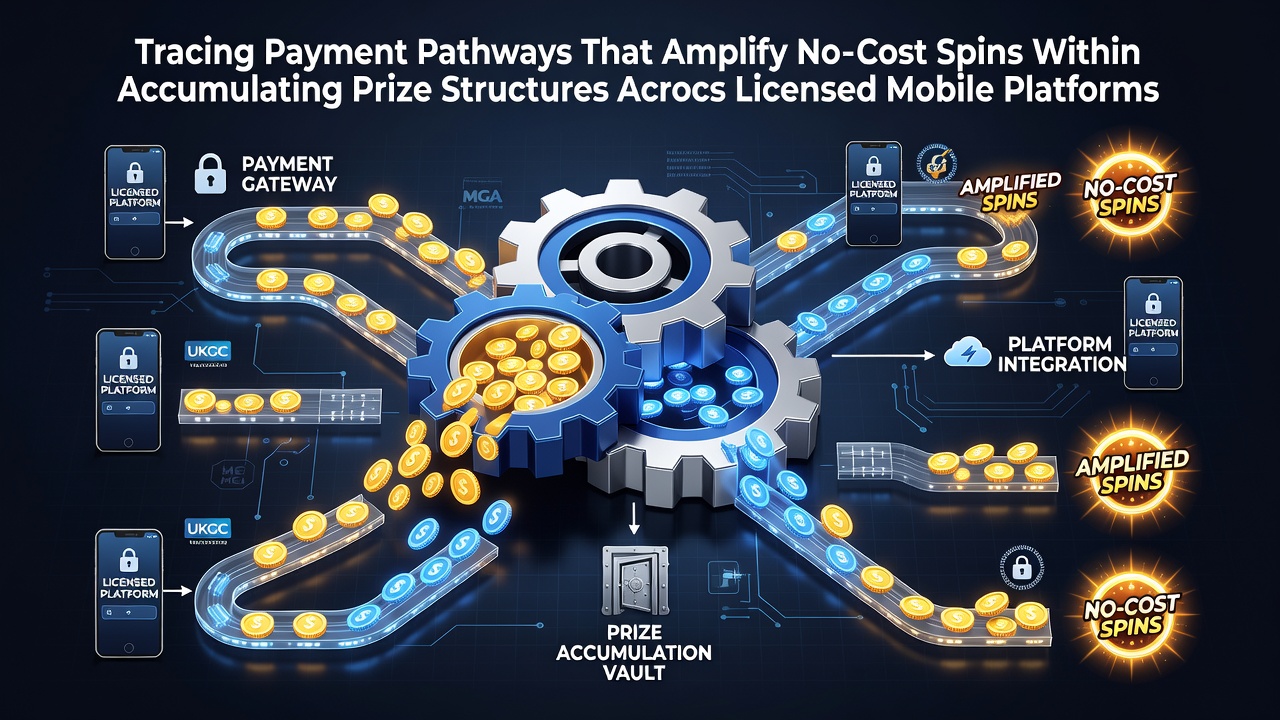
Payment pathways on licensed mobile platforms connect user accounts directly to bonus activation systems that trigger no-cost spins while feeding into accumulating prize structures, and data from regulatory filings indicate these integrations have grown steadily since early 2025 across multiple jurisdictions.
Core Mechanics of Payment Integration
Transaction processors route funds through secure APIs that verify player eligibility in real time, which allows operators to layer complimentary rotations onto existing balances without requiring additional deposits, while the same pathways simultaneously allocate portions of wagers into progressive pools that build across networked games. Observers note that platforms using instant settlement methods report higher volumes of spin redemptions tied to these accumulating rewards, because the reduced friction keeps users engaged longer in sessions that contribute to jackpot growth.
Studies from the International Gaming Institute at the University of Nevada, Las Vegas highlight how specific digital wallet pairings reduce processing delays to under three seconds, enabling immediate spin grants that then link to tiered prize ladders visible on mobile dashboards.
Regional Variations in Pathway Design
North American operators have adopted standardized tokenization protocols that mask card details during transfers, and this setup supports cross-game prize accumulation on handheld devices without interrupting the flow of no-cost spins. In contrast, European frameworks emphasize audit trails that record every bonus trigger alongside wager contributions, which helps maintain transparency when progressive totals cross regulatory thresholds.
A report released by the Australian Communications and Media Authority in August 2026 documented a 14 percent rise in mobile sessions that combined instant payment confirmations with progressive jackpot entries, showing that seamless routes correlate with sustained participation rates across state-licensed apps.
Examples from Licensed Environments
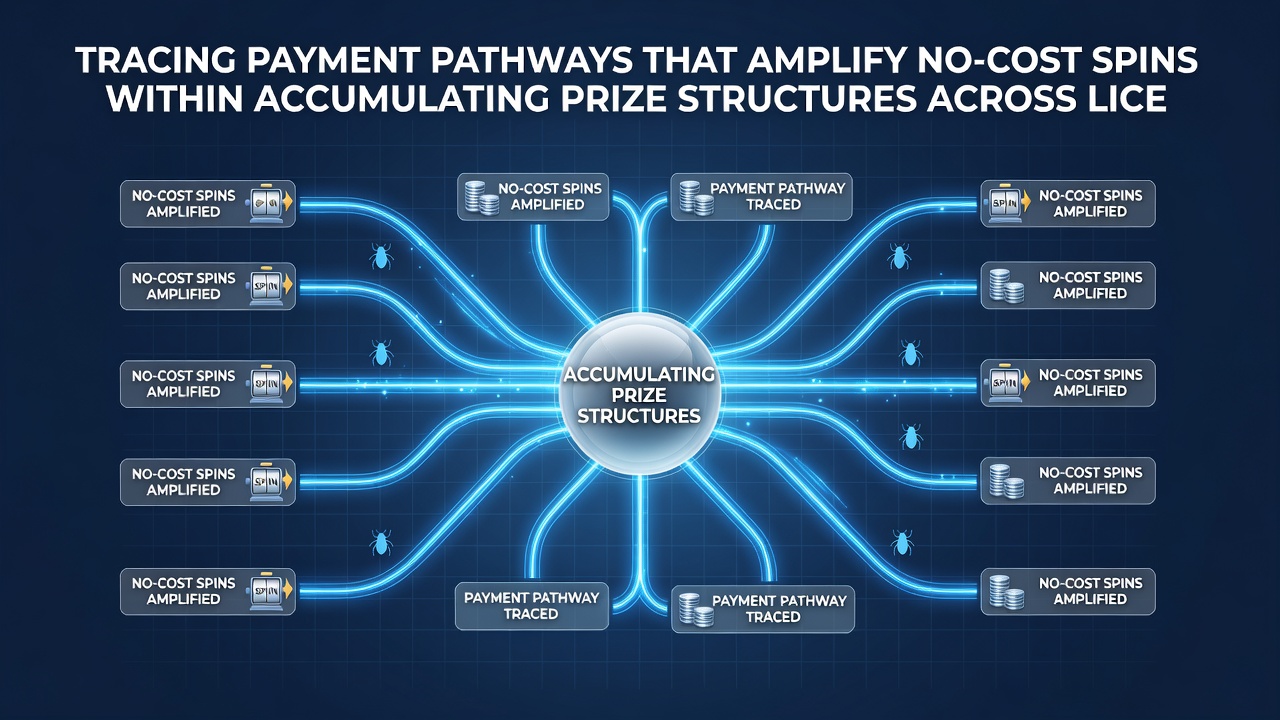
One case examined by researchers at the University of Macau involved a platform where e-wallet top-ups automatically unlocked layered spin packages that fed directly into a multi-tier prize structure, resulting in measurable increases in pool sizes over consecutive months. Similar patterns appear in Canadian provincial systems, where pay-by-phone options bypass traditional banking delays and route small wager fractions into shared accumulators while delivering the no-cost spins promised at account creation.
Those who've tracked transaction logs across these environments often discover that platforms with redundant verification layers maintain higher compliance scores, because every amplified spin sequence leaves a clear audit record that regulators can review without disrupting player access.
Future Adjustments Anticipated After August 2026
Updates scheduled for late 2026 in several Asian markets aim to standardize how payment rails interface with bonus engines, which could further streamline the connection between zero-deposit spins and growing reward pools on portable devices. Industry associations such as the Asian Gaming Association have published preliminary guidelines that encourage operators to adopt unified data formats, allowing prize accumulations to reflect contributions from multiple regions in a single mobile view.
What's interesting is how these adjustments build on existing infrastructure rather than replacing it, so current licensed platforms can integrate new requirements through software patches instead of full system overhauls.
Conclusion
Tracing these payment pathways reveals consistent patterns where efficient transaction routes support both immediate no-cost spin delivery and long-term prize accumulation across authorized mobile platforms, with evidence from multiple regulatory and academic sources confirming the technical links that make such amplification possible.